Brain Cancer
Over the past century, medical science has progressed at an unprecedented pace. Advances in vaccination, antibiotics, healthier lifestyles, and improved medical care have dramatically increased life expectancy and reduced deaths from many once-fatal diseases. Illnesses such as smallpox have been eradicated, tuberculosis is now treatable, and conditions like heart disease, diabetes, and stroke are better controlled through prevention and early intervention.
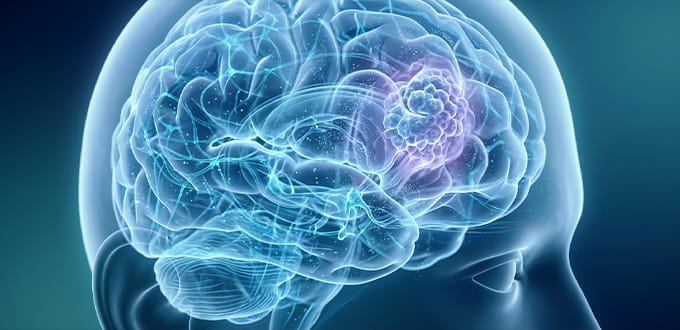
Despite this optimistic landscape, primary brain cancer remains a major exception. Brain tumours affect both children and adults and occur in various forms. Tumours arising from the meninges—the protective layers surrounding the brain—are typically benign and often cured through surgery. Childhood brain tumours, whether benign or malignant, generally have better outcomes than those seen in adults. In contrast, adult brain tumours that originate from glial cells, known as gliomas, tend to have a poor prognosis. Gliomas are classified from grade 1 to grade 4 based on their aggressiveness, with glioblastoma (grade 4) being the most common and deadliest form. Affecting approximately five people per 100,000, glioblastoma has a median survival of only 9 to 14 months even with optimal treatment.
Encouragingly, efforts to combat this devastating disease have intensified over the past decade. Cancer develops when cells multiply uncontrollably due to genetic mutations that bypass normal regulatory mechanisms. These mutations may involve a single gene or, as in brain cancers, multiple genes.
Pathological examination remains the cornerstone of cancer diagnosis. Patients with suspicious brain imaging typically undergo a biopsy or surgical removal of the tumour, after which a pathologist examines the tissue to determine the diagnosis. However, gliomas often contain regions of varying grades, and prognosis is determined by the most aggressive area. Because imaging cannot reliably identify these areas, biopsies may miss high-grade tissue, leading to diagnostic inaccuracies. In some cases, especially with limited experience, biopsy error rates can reach 30%.
Liquid biopsy offers a promising solution to this challenge. Brain tumours release tumour DNA, vesicles such as exosomes, and even whole cancer cells into the blood and cerebrospinal fluid. Analyzing these components can provide valuable diagnostic and molecular information. Since exosome release increases with tumour grade, liquid biopsy can detect small high-grade regions that may be overlooked in conventional tissue sampling. Although still an emerging technology, liquid biopsy was recognized by MIT as a breakthrough in 2015, and its application in brain tumour diagnosis has already been demonstrated by research conducted in Hyderabad.
Another limitation of traditional pathology is its inability to identify the genetic pathways driving tumour growth. Modern cancer treatment increasingly relies on targeting these molecular abnormalities. Recognizing this, the World Health Organization has revised brain tumour classification to include genetic markers alongside microscopic findings. Over the past five years, several genetic tests have become essential for glioma diagnosis, and current technology allows the simultaneous analysis of tens of thousands of gene mutations. As genomic knowledge expands, both treatment selection and outcome prediction are expected to improve.
Surgery plays a critical role in managing high-grade brain tumours, but its success depends on preserving neurological function. Two major innovations—awake brain surgery and intra-operative MRI—have significantly improved surgical outcomes. During awake surgery, patients are pain-free but conscious, allowing surgeons to monitor speech and movement in real time while removing the tumour. This helps prevent damage to critical brain areas. Intra-operative MRI further assists by identifying residual tumour tissue during the operation, enabling more complete and safer tumour removal.
Following surgery or biopsy, radiation therapy is essential. Traditional external beam radiation damages tumour DNA but can also harm surrounding healthy brain tissue. Newer approaches such as stereotactic radiosurgery deliver highly focused radiation beams, minimizing collateral damage. Proton beam therapy represents another major advancement, as protons deposit their energy precisely at the tumour site with minimal exposure beyond it. This technology offers superior accuracy compared to conventional radiation and is now available in South Asia, with a centre recently opened in Chennai.
Chemotherapy has historically played a limited role in brain tumour treatment, but this is changing. Certain glioma subtypes respond well to chemotherapy, particularly when specific genetic mutations are present. Targeted therapies and immune checkpoint inhibitors—drugs that activate the body’s immune system against cancer—have shown promise, with some already approved for use. More than 200 clinical trials worldwide are currently exploring new treatment strategies for gliomas.
As we observe World Brain Tumour Day, there is greater hope than ever before. Advances in surgery, radiation, and molecular medicine have improved survival from just a few months decades ago to over a year today. Nevertheless, gliomas account for only 1% of all cancers yet cause 3% of cancer-related deaths, underscoring the challenge they pose. Continued research into tumour biology and personalized treatment approaches will be key to overcoming this disease. While the journey is not over, the progress made suggests that conquering brain cancer may no longer be beyond reach.