
Chronic Kidney Disease (CKD): Symptoms, Causes, and Management
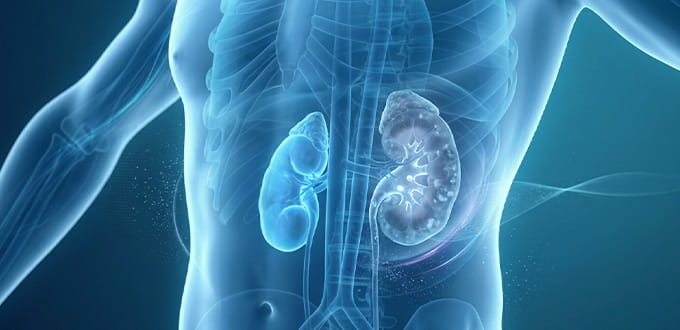
Chronic Kidney Disease (CKD) is a long-term condition in which kidney function declines gradually over time. It most commonly develops as a result of uncontrolled diabetes or persistent high blood pressure. As kidney function deteriorates, CKD can lead to complications such as anemia, electrolyte imbalances, and cardiovascular disease. In the early stages, CKD may not cause noticeable symptoms, but symptoms tend to increase as the disease progresses.
Causes of Chronic Kidney Disease
CKD usually develops due to prolonged medical conditions or ongoing kidney damage, including:
- Diabetes mellitus
- Hypertension (high blood pressure)
- Chronic inflammation of the kidneys
- Polycystic kidney disease
- Autoimmune disorders affecting the kidneys
- Congenital kidney abnormalities
- Prolonged use of certain medications, especially NSAIDs
- Exposure to harmful substances such as heavy metals (e.g., lead)
Common Symptoms of CKD
As kidney function declines, individuals may experience:
- Persistent tiredness or weakness
- Swelling of the feet, legs, or ankles
- Alterations in urine output or frequency
- Elevated blood pressure
- Anemia
- Loss of appetite
- Nausea or vomiting
- Difficulty concentrating
- Tingling or numbness in the hands and feet
Diagnostic Evaluation
Diagnosis of CKD typically involves a combination of tests, such as:
- Blood tests to assess urea, creatinine levels, and estimated glomerular filtration rate (eGFR)
- Urine tests to detect protein leakage and measure the urine albumin-to-creatinine ratio (UACR)
- Imaging studies, including ultrasound or CT scans, to evaluate kidney size and structure
- Kidney biopsy in selected cases to determine the underlying cause
Treatment and Management
The goal of CKD treatment is to slow disease progression and manage complications. Treatment options may include:
- Medications to control diabetes and blood pressure
- ACE inhibitors or ARBs to help preserve kidney function
- Dietary modifications to regulate sodium, potassium, and phosphorus intake
- Management of anemia and other complications
- In advanced stages, renal replacement therapy such as dialysis or kidney transplantation
Follow-Up and Long-Term Care
Ongoing care is essential for patients with CKD and may involve:
- Regular monitoring of kidney function through blood and urine tests
- Routine blood pressure assessments
- Periodic adjustment of medications
- Consultation with a nephrologist
- Patient education on diet, lifestyle changes, and disease management
Comprehensive evaluation and treatment for Chronic Kidney Disease are available at VishwaRaj Hospital, where specialized nephrology care focuses on early diagnosis, personalized treatment plans, and long-term kidney health management.