
High Blood Pressure (Hypertension): Causes, Symptoms, and Treatment
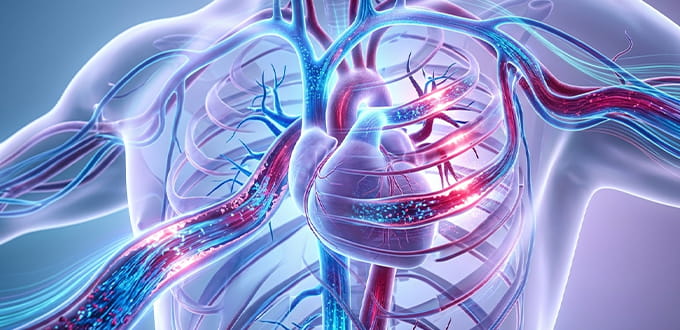
High blood pressure, medically known as hypertension, is a condition in which the force of blood flowing through the arteries remains consistently high. A blood pressure reading of 140/90 mmHg or higher is considered hypertensive.
Globally, over 1.13 billion people are affected by high blood pressure. It is one of the most common yet dangerous lifestyle-related conditions, as it often progresses silently and can cause long-term damage to vital organs such as the heart, brain, and kidneys. Continuous pressure on artery walls can eventually lead to serious complications like heart disease and stroke.
World Hypertension Day, observed on 17th May, was established in 2005 to raise awareness about this “silent killer” and educate people about its risks, prevention, and management.
What Is High Blood Pressure?
High blood pressure occurs when the force of blood against the artery walls is consistently too strong. Blood pressure depends on:
- The amount of blood the heart pumps
- The resistance offered by the arteries
If the heart pumps more blood or the arteries become narrow, blood pressure increases. When left untreated, hypertension can significantly raise the risk of conditions such as heart failure, stroke, and valve disorders.
What Triggers High Blood Pressure?
Hypertension is often linked to poor lifestyle habits and genetic factors. Common triggers include:
- High intake of fatty and processed foods
- Excessive salt consumption
- Smoking and excessive alcohol intake
- Lack of physical activity
- Chronic stress
- Potassium deficiency
- Obesity or high Body Mass Index (BMI)
- Family history of hypertension
How Is Blood Pressure Measured?
Blood pressure is measured in millimeters of mercury (mmHg) and includes two readings:
- Systolic pressure: Pressure when the heart beats
- Diastolic pressure: Pressure when the heart rests between beats
Readings are written as systolic over diastolic, for example, 120/80 mmHg.
- Normal BP: Below 120/80 mmHg
- High BP (general): Above 120/80 mmHg
- For individuals above 60 years: 150/90 mmHg may be considered high
Understanding Hypertension
Hypertension refers to abnormal blood circulation where the heart pumps excessive force into the arteries. Most people experience no symptoms for years, yet internal damage continues, increasing the risk of heart attack or stroke.
Hypertension can be easily detected during routine medical check-ups. Once diagnosed, long-term treatment and lifestyle changes are usually required.
Types of Hypertension
1. Primary (Essential) Hypertension
- Most common type
- No identifiable cause
- Develops gradually over several years
2. Secondary Hypertension
- Caused by an underlying medical condition
- Appears suddenly and is often more severe
Common causes include:
- Kidney disorders
- Thyroid problems
- Obstructive sleep apnea
- Adrenal gland tumors
- Congenital heart or blood vessel defects
- Certain medications or illegal drugs (e.g., cocaine, amphetamines)
Possible Symptoms of Hypertension
Although many people remain symptom-free, some may experience:
- Severe headaches
- Shortness of breath
- Irregular heartbeat
- Chest discomfort
- Confusion
- Vision problems
- Nosebleeds
- Fatigue
- Sweating around the neck or ears
When Should You See a Doctor?
Routine blood pressure checks are recommended, especially as you age. However, seek immediate medical attention if you experience:
- Sudden dizziness
- Severe headache
- Chest tightness
- Irregular or rapid heartbeat
How to Identify Hypertension
Many individuals with high blood pressure show no noticeable symptoms, even at dangerously high levels. Symptoms like headaches or nosebleeds usually occur only when blood pressure reaches a critical stage.
Diagnosis and Stages of Hypertension
Blood pressure can be measured using digital or manual BP machines.
- Normal BP: 120/80 mmHg
- Stage 1 Hypertension:
- Systolic: 130–139 mmHg
- Diastolic: 80–89 mmHg
- Stage 2 Hypertension:
- Systolic: ≥140 mmHg
- Diastolic: ≥90 mmHg
- Hypertensive Crisis:
- BP exceeds 180/120 mmHg
- Requires immediate medical attention
At VishwaRaj Hospital, patients receive comprehensive evaluation and advanced diagnostics for accurate blood pressure management, including personalized treatment plans and long-term monitoring.
Prevention of High Blood Pressure
Blood pressure naturally increases with age, but a healthy lifestyle can delay or prevent hypertension. Key preventive steps include:
- Regular health check-ups
- Maintaining a healthy weight
- Following prescribed treatment if diagnosed
- Staying physically active
- Managing stress effectively
Treatment for Hypertension
Treatment typically includes:
- Regular medical follow-ups
- Prescribed medications
- Physical activities like walking or yoga
- Weight management
- Limiting alcohol intake
- Avoiding tobacco
- Reducing salt intake
- Eating a balanced, nutrient-rich diet
- Stress management and lifestyle modifications
Effective Ways to Control Blood Pressure
- Exercise at least 3–5 days a week
- Maintain a healthy waistline
- Quit smoking
- Eat more fruits, vegetables, and potassium-rich foods
- Examples: bananas, spinach, avocados, sweet potatoes, oranges
- Limit tea and coffee intake
- Practice stress-reducing techniques like meditation and yoga
Can Hypertension Cause Brain Hemorrhage?
Yes. Hypertension is a major risk factor for brain hemorrhage, a type of stroke caused by ruptured blood vessels in the brain. Weakened artery walls due to prolonged high blood pressure increase the risk significantly.
Types of Brain Stroke
Ischemic Stroke
- Caused by blood clots blocking blood flow
- Includes thrombotic and embolic strokes
Hemorrhagic Stroke
- Caused by bleeding in or around the brain
- Includes:
- Subarachnoid hemorrhage
- Intracerebral hemorrhage
The higher the blood pressure, the greater the risk of brain hemorrhage. Studies show that individuals with hypertension have a significantly increased risk, especially men.
Frequently Asked Questions (FAQs)
How long does recovery from a brain hemorrhage take?
Recovery is slow and may take up to 6 months or longer, depending on severity.
How does the brain heal after a hemorrhage?
As swelling reduces and blood circulation improves, recovery signs become visible through CT scans or MRI imaging.
Which side of the brain is worse for hemorrhage?
Any part of the brain is critical. Damage to any area can impair body functions. Extensive bleeding across the brain may lead to brain death.