
Dermatology – Types of Skin Diseases, Causes, Symptoms, and Treatments
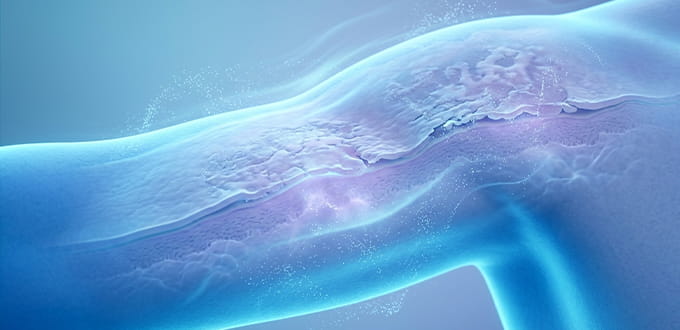
Skin disorders are conditions that affect or damage the skin, leading to rashes, inflammation, itching, and other changes. These conditions can be hereditary or arise due to lifestyle factors. The type and severity of skin diseases can vary depending on the individual.
A dermatologist can often identify a skin disorder by examining the skin visually. If the cause is unclear, further diagnostic tests may include:
- Skin biopsy to examine tissue under a microscope.
- Culture tests to detect bacteria, fungi, or viruses.
- Patch testing or UV light examination using black light or Wood’s lamp to assess pigmentation changes.
- Diascopy, which involves pressing a microscope slide to the skin to observe color changes.
- Dermoscopy, the use of a handheld dermatoscope to examine skin lesions.
- Tzanck test, which examines blister fluid for herpes simplex or herpes zoster.
Treatment may involve medications such as pills, ointments, or creams, along with lifestyle modifications to manage the condition.
The skin serves multiple vital functions, including sensory perception, excretion, maintaining homeostasis, insulation, vitamin D production, immunity, UV protection, and preventing fluid loss. Skin diseases may affect one layer (epidermis, dermis, or hypodermis) or multiple layers, potentially causing scarring or systemic complications. Understanding the underlying mechanisms of skin diseases is essential for proper care and treatment.
Common Types of Skin Diseases
- Acne
- Atopic Dermatitis (Eczema)
- Shingles (Herpes Zoster)
- Psoriasis
- Skin Cancer
- Athlete’s Foot
- Rosacea
- Hives
- Age or Liver Spots
- Vitiligo
Rare Skin Disorders
1. Ichthyosis
Ichthyosis is a group of around 20 skin disorders characterized by dry, scaly skin. Individuals with this condition either shed skin too slowly or produce skin cells too quickly, leading to thick, scaly patches.
Common Types:
- Ichthyosis Vulgaris – Affects approximately 1 in 250 people, causing brown, white, or gray scales appearing in early childhood.
- X-linked Recessive Ichthyosis – Affects mostly males (1 in 6,000) and can increase the risk of testicular issues.
Causes:
- Inherited ichthyosis arises from genetic mutations affecting proteins that retain skin moisture and regulate cell turnover.
- Acquired ichthyosis can develop in adulthood, often associated with other illnesses like hypothyroidism, kidney disease, HIV, or certain cancers. Medications such as cancer treatments, protease inhibitors, or nicotinic acid may also trigger it.
Symptoms:
- Dry, scaly patches, often on the scalp, face, trunk, legs, and buttocks.
- Scales may be white, gray, or brown and can crack in cold weather.
- Itching, redness, peeling, blisters, pain, or tight, inflexible skin.
Treatment:
- Regular application of moisturizing creams or ointments containing lanolin, urea, alpha hydroxy acids, propylene glycol, ceramides, or cholesterol.
- Moisturize immediately after bathing to lock in hydration.
- Saltwater baths, pumice stones, or products with salicylic, glycolic, or lactic acid can remove dead skin.
- Severe cases may require oral retinoids like acitretin or isotretinoin under medical supervision.
2. Harlequin Ichthyosis
A severe genetic disorder causing extremely thick, rigid skin in newborns. The skin forms large, diamond-shaped plates separated by deep cracks, affecting mobility, facial features, and organ function.
Causes:
- Inherited in an autosomal recessive pattern. Both parents must carry the gene for a child to be affected.
Symptoms:
- Premature birth, thick scaly skin, eyelids turning inward, lips pulled tight, fused ears, small hands and feet, and difficulty breathing or nursing.
- Long-term effects include delayed physical development, recurrent infections, and abnormal facial features.
Treatment:
- Intensive neonatal care is critical.
- Tube feeding to prevent dehydration and malnutrition.
- Eye protection and lubrication.
- Use of retinoids, topical antibiotics, and careful bandaging to prevent infection.
- Ongoing care involves frequent moisturizing with creams containing AHAs, lanolin, cholesterol, petrolatum, and ceramides.
3. Scalded Skin Syndrome (SSSS)
Staphylococcal scalded skin syndrome is caused by Staphylococcus aureus producing an exfoliative toxin, leading to blistering and peeling of the outer skin layers. It primarily affects children under six.
Causes:
- The bacteria are common in healthy individuals but can cause SSSS if they enter the skin through a cut or wound.
- Young children or adults with weakened immune systems or kidney issues are most vulnerable.
Symptoms:
- Fever, fatigue, chills, irritability, loss of appetite, conjunctivitis.
- Red, painful skin with blisters that can peel off in sheets.
- Crusty sores often appear on the face, diaper area, or around the umbilical cord in children.
Treatment:
- Hospitalization is often required, sometimes in burn units.
- Pain management, protective creams for raw skin, and oral or intravenous antibiotics.
- Dehydration is managed with proper hydration.
Healing typically begins within 24–48 hours and may complete in 5–7 days.