
Extracorporeal Shock Wave Therapy (ESWT) System
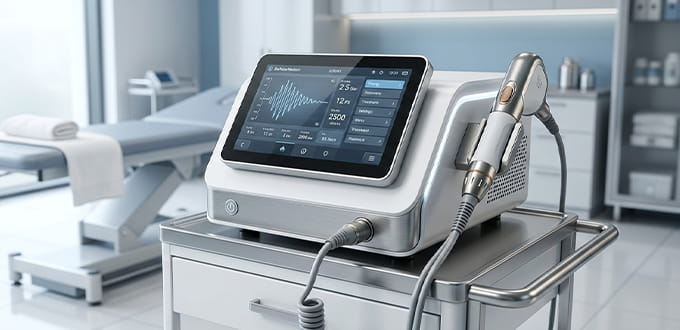
Introduction
Extracorporeal Shock Wave Therapy (ESWT) is a modern, non-invasive treatment approach that uses acoustic shock waves to relieve pain and support the healing of musculoskeletal conditions. Over the years, ESWT has become widely accepted due to its proven effectiveness, safety, and minimal recovery time. This advanced therapy works by stimulating tissue repair, improving blood circulation, and reducing inflammation, making it an excellent option for patients dealing with chronic pain or persistent injuries.
Unlike surgical procedures, ESWT does not require incisions or anesthesia. The treatment is typically performed on an outpatient basis, allowing patients to return to their routine activities quickly and comfortably.
Purpose of ESWT
The main goal of Extracorporeal Shock Wave Therapy is to offer a non-surgical solution for managing chronic pain and musculoskeletal disorders. The key advantages of ESWT include:
- Pain Reduction: ESWT helps alleviate pain caused by various orthopedic and soft tissue conditions, improving overall comfort.
- Accelerated Healing: By stimulating tissue regeneration, the therapy speeds up the body’s natural healing process.
- Non-Invasive Treatment: As a non-surgical option, ESWT reduces risks such as infection and long recovery periods.
- Wide Range of Use: The therapy is suitable for treating multiple conditions, making it a versatile tool in rehabilitation and pain management.
Through these benefits, ESWT has become an important part of advanced therapeutic care.
Key Features
The ESWT system is designed with advanced features to ensure effective treatment and patient comfort:
- High-Intensity Shock Waves: Delivers targeted acoustic waves that penetrate deep tissues to address the root cause of pain.
- Customizable Parameters: Treatment intensity and frequency can be adjusted based on individual patient needs and tolerance.
- Real-Time Treatment Monitoring: Allows clinicians to track progress during therapy, ensuring safety and optimal outcomes.
- Easy-to-Use Interface: The system’s user-friendly design enables smooth operation for healthcare professionals.
These features enhance both treatment accuracy and overall patient experience.
Clinical Applications
Extracorporeal Shock Wave Therapy is commonly used to treat a variety of musculoskeletal and pain-related conditions, including:
- Tendinitis: Such as Achilles tendinitis, tennis elbow, and rotator cuff inflammation.
- Plantar Fasciitis: Effective in relieving chronic heel pain.
- Calcific Shoulder Disorders: Helps break down calcium deposits and restore shoulder mobility.
- Stress Fractures: Encourages faster healing, particularly in athletes.
- Chronic Pain Conditions: Including myofascial pain syndrome and fibromyalgia.
ESWT is suitable for patients of different age groups and activity levels, especially those seeking non-invasive treatment options.
How ESWT Works
Extracorporeal Shock Wave Therapy works through several biological mechanisms:
- Generation of Shock Waves: The system produces focused, high-energy acoustic waves.
- Deep Tissue Stimulation: These waves pass through the skin, creating controlled microtrauma that triggers natural healing.
- Improved Blood Circulation: Enhanced blood flow delivers oxygen and nutrients to damaged tissues.
- Collagen Stimulation: Promotes collagen production, which is essential for tissue repair.
- Pain Modulation: Disrupts pain signals, resulting in reduced discomfort and better function.
A typical treatment plan involves multiple sessions, each lasting approximately 15 to 30 minutes, depending on the condition.
Benefits for Patients
Patients undergoing ESWT can experience several advantages, including:
- Non-Surgical Approach: No incisions, injections, or anesthesia required.
- Minimal Side Effects: Mild soreness or redness may occur but usually resolves quickly.
- Improved Mobility and Function: Many patients notice significant pain relief and functional improvement.
- Effective for Resistant Cases: Particularly beneficial for individuals who have not responded well to medications or physical therapy.
Overall, ESWT offers a safe, effective, and convenient solution for long-term pain management.
Frequently Asked Questions (FAQs)
1. How does Extracorporeal Shock Wave Therapy work?
ESWT delivers high-energy shock waves to affected tissues, stimulating healing, reducing pain, and improving blood flow.
2. Who can undergo ESWT treatment?
Most patients with chronic pain or musculoskeletal issues are eligible. However, individuals who are pregnant or have bleeding disorders should consult a doctor beforehand.
3. Is ESWT painful?
The treatment may cause mild discomfort, but it is generally well-tolerated. Intensity can be adjusted for comfort.
4. How long does each session last?
Each session typically takes between 15 and 30 minutes.
5. Are there any side effects?
Temporary side effects such as mild pain, swelling, or redness may occur but usually subside within a few days.
6. How many sessions are needed?
Most patients require 3 to 5 sessions, depending on their condition and response to treatment.
7. When will results be noticeable?
Many patients experience improvement within a few weeks, though results can vary.
8. Can ESWT be combined with other treatments?
Yes, it can be used alongside physical therapy or medications for enhanced results.
9. Is there any recovery time after treatment?
No downtime is required, and patients can resume normal activities immediately.
10. Where can I receive ESWT treatment?
Patients can consult specialized orthopedic and rehabilitation centers. ESWT services are available at advanced healthcare facilities such as VishwaRaj Hospital, which offers comprehensive pain management and rehabilitation care.