
Epilepsy – Symptoms, Risk Factors, Diagnosis, and Treatment
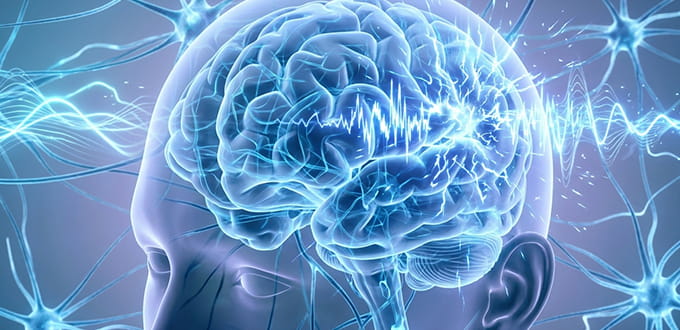
Overview
Epilepsy is a disorder of the central nervous system in which abnormal electrical activity in the brain disrupts normal nerve signaling. This disruption can lead to seizures, unusual movements or behavior, muscle spasms, and sometimes loss of consciousness or awareness. Epilepsy represents a group of brain-related conditions that can occasionally be life-threatening.
Experiencing a single seizure does not confirm epilepsy. The condition is diagnosed when a person has two or more unprovoked seizures. Seizure manifestations vary—some individuals experience jerking movements of the limbs, while others may briefly stare blankly. Epilepsy can affect people of all ages, genders, and ethnic backgrounds.
Most individuals with epilepsy can live healthy, productive lives. However, two serious complications include status epilepticus (a prolonged or repeated seizure without recovery) and SUDEP (Sudden Unexpected Death in Epilepsy).
Epilepsy may result from abnormal brain development or damage caused by illness or injury. Common triggers include hormonal fluctuations (such as during menstruation or pregnancy), sleep deprivation, emotional stress, and alcohol intake.
Seizures are broadly classified into focal seizures and generalized seizures. Management may include medications, dietary changes, or surgery. Some patients require lifelong treatment and regular follow-up at specialized centers such as VishwaRaj Hospital.
Causes
Seizures occur when normal neuronal activity is disrupted. Factors that may cause epilepsy include:
Major Causes
- Genetic predisposition
- Neurotransmitter imbalance
- Brain infections (e.g., neurocysticercosis)
- Stroke
- Metabolic disorders (e.g., tuberous sclerosis)
- Developmental conditions (e.g., cerebral palsy, autism)
- Abnormal glial cell function
- Prenatal brain injury
- Poisoning (carbon monoxide, lead, drug overdose)
- Infections (meningitis, encephalitis, AIDS, hydrocephalus)
- Head trauma
- Alzheimer’s disease
- Brain tumors
- Chronic alcoholism, smoking, and celiac disease
Neurotransmitter Imbalance
An imbalance between excitatory neurotransmitters (like glutamate) and inhibitory neurotransmitters (such as GABA) may contribute to epilepsy.
Genetic Factors
Certain inherited gene abnormalities may increase seizure susceptibility. Some genes affect brain development, neuronal migration, or metabolic pathways, leading to epilepsy.
Prenatal Injury
Infections during pregnancy, oxygen deprivation, or poor maternal health may damage the developing brain and result in epilepsy later in life.
Other Triggers
Lack of sleep, hormonal changes, alcohol consumption, smoking, and stress can provoke seizures, even in individuals with controlled epilepsy.
Symptoms
Symptoms depend on the type of seizure and may include:
- Uncontrolled jerking of arms and legs
- Loss of awareness or consciousness
- Staring spells
- Temporary confusion or memory loss
- Emotional or sensory disturbances such as fear, anxiety, or déjà vu
Types of Seizures
1. Focal Seizures
These originate in a specific area of the brain.
- Focal seizures without impaired awareness (simple partial seizures):
No loss of consciousness; may include twitching, sensory changes, or emotional shifts. - Focal seizures with impaired awareness (complex partial seizures):
Altered consciousness, blank staring, and repetitive movements like lip-smacking or hand rubbing.
2. Generalized Seizures
These involve the entire brain.
- Tonic: Muscle stiffening, often causing falls
- Atonic: Sudden loss of muscle tone
- Clonic: Repetitive jerking movements
- Myoclonic: Brief, sudden muscle jerks
- Tonic-clonic: Loss of consciousness with stiffening and shaking, sometimes with tongue biting or loss of bladder control
- Absence (Petit mal): Brief staring episodes with subtle movements
Risk Factors
- Family history of epilepsy
- Very young or advanced age
- Head injuries
- Dementia
- Brain infections
- Stroke and vascular disease
- Excessive alcohol intake
- Smoking
- Prolonged febrile seizures during childhood
Complications
- Injuries from falls
- Road accidents due to seizures while driving
- Risk of drowning during swimming
- Pregnancy-related complications
- Psychological issues such as depression, anxiety, and suicidal thoughts
- Status epilepticus
- SUDEP (Sudden Unexpected Death in Epilepsy)
Diagnosis
Diagnosis involves identifying the cause, type, and origin of seizures.
Diagnostic Methods
- Medical history and neurological examination
- Neuropsychological testing
- Blood tests (infection, genetic markers)
- Imaging studies:
- CT Scan
- MRI
- Functional MRI (fMRI)
- Electroencephalogram (EEG)
- High-density EEG
- Advanced imaging:
- PET scan
- SPECT
- SISCOM
- Statistical Parametric Mapping (SPM)
- Specialized techniques:
- Curry analysis
- Magnetoencephalography (MEG)
Specialized epilepsy evaluations are available at advanced healthcare centers like VishwaRaj Hospital.
Treatment
1. Medications
Anti-epileptic drugs are the primary treatment and help control seizures in most patients. Some individuals require a single medication, while others may need combination therapy.
Possible side effects include dizziness, fatigue, weight changes, mood disturbances, memory issues, and, rarely, severe depression or suicidal thoughts.
2. Surgery
Surgery may be recommended if medications fail and seizures originate from a specific, non-critical brain area.
3. Vagus Nerve Stimulation (VNS)
An implanted device stimulates the vagus nerve to reduce seizure frequency.
4. Ketogenic Diet
A high-fat, low-carbohydrate diet may help control seizures, particularly in children, under strict medical supervision.
5. Emerging Therapies
- Deep brain stimulation
- Responsive neurostimulation
- Subthreshold stimulation
- MRI-guided laser ablation
- Radiosurgery
- External nerve stimulation devices
Prevention
Safety Measures
- Use helmets and seat belts to prevent head injuries
Support Groups
- Help patients and families cope emotionally and socially
Lifestyle Measures
- Adequate sleep
- Regular exercise
- Stress management
- Avoid alcohol and smoking
- Strict adherence to prescribed medications
Education and Awareness
Understanding epilepsy helps reduce stigma and improves patient outcomes.
Frequently Asked Questions (FAQs)
1. What is epilepsy?
Epilepsy is a neurological condition marked by recurrent seizures due to abnormal brain activity.
2. How is epilepsy treated?
Around 80% of patients achieve good seizure control with medications. Others may need surgical or advanced therapies.
3. Are there warning signs before a seizure?
Yes. Some individuals experience auras such as unusual smells, tastes, visual changes, or sounds.
4. Can epilepsy be fatal?
Death is rare but may occur due to SUDEP, prolonged seizures, or associated heart or breathing problems.
5. Which seizure type is most dangerous?
Generalized tonic-clonic seizures are considered the most severe due to loss of consciousness and risk of injury.