
Kidney Stones: Symptoms, Causes, Diagnosis, Treatment, and Prevention
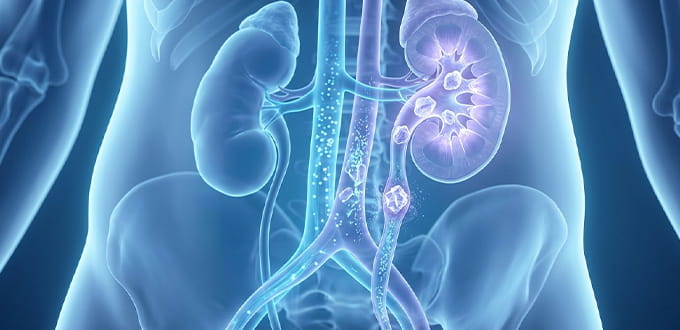
Kidney stones are a widespread health concern in India and across the globe, affecting millions of individuals each year. These solid mineral deposits develop inside the kidneys and can lead to severe pain, urinary problems, and serious complications if not managed in time. Fortunately, with proper awareness and medical guidance, kidney stones can often be treated effectively and, in many cases, prevented.
What Are Kidney Stones?
Kidney stones, clinically referred to as urolithiasis, are hard deposits formed from minerals and salts—most commonly calcium, oxalate, phosphate, or uric acid—that accumulate within the kidneys.
Under normal circumstances, waste materials dissolve in urine and are eliminated from the body. However, when urine becomes highly concentrated due to dehydration or metabolic imbalances, these substances can crystallize and gradually grow into stones.
- Small stones may pass through urine without noticeable symptoms.
- Larger stones can obstruct urine flow, causing intense pain, bleeding, infections, or even kidney damage if left untreated.
Why Awareness Is Important
Having one kidney stone significantly increases the likelihood of developing another. Research indicates that nearly half of affected individuals may experience recurrence within 10–15 years. Understanding risk factors, early warning signs, and preventive strategies is essential to reducing future episodes.
Key Facts About Kidney Stones
- Most kidney stones are treatable and do not cause lasting kidney damage if addressed promptly.
- Passing a stone may take several days or even weeks and can be painful.
- Larger stones often require medical procedures such as stone fragmentation or minimally invasive surgery.
Types of Kidney Stones
Kidney stones differ based on their chemical composition. Identifying the stone type helps doctors choose the most effective treatment and prevention plan.
1. Calcium Stones
- The most frequently occurring type.
- Usually composed of calcium oxalate or calcium phosphate.
- Risk factors include dehydration, excess oxalate intake (spinach, nuts, tea), metabolic conditions, and certain medications.
2. Uric Acid Stones
- Common in people with gout, obesity, diabetes, or those consuming high-protein diets.
- Often form when urine becomes overly acidic.
- More likely in individuals with chronic dehydration or frequent fluid loss.
3. Struvite Stones
- Typically linked to recurrent urinary tract infections.
- Can grow rapidly and become quite large.
- Seen more often in women due to higher UTI prevalence.
4. Cystine Stones
- Rare and caused by a genetic condition called cystinuria.
- Result from excessive cystine excretion in urine.
5. Mixed Stones
- Contain more than one type of mineral.
- Frequently seen in patients with repeated stone formation.
Causes and Risk Factors
a. Inadequate Hydration
Insufficient water intake is one of the leading causes of kidney stones, especially in India’s hot climate where fluid loss through sweating is high.
b. Dietary Habits
- High salt consumption
- Excess animal protein
- Oxalate-rich foods
- Sugar-laden beverages
These dietary patterns significantly increase stone risk.
c. Genetic Factors
A family history of kidney stones raises susceptibility.
d. Medical Conditions
Conditions such as diabetes, obesity, gout, hyperparathyroidism, inflammatory bowel disease, chronic diarrhea, and urinary infections contribute to stone formation.
e. Lifestyle Factors
A sedentary lifestyle, alcohol overuse, and certain medications (like diuretics) may increase risk.
Kidney Stones in the Indian Context
Kidney stones are more common in regions such as Rajasthan, Gujarat, Punjab, Haryana, Delhi, Maharashtra, and parts of South India due to climatic conditions, dietary habits, and water quality. Delayed diagnosis and limited access to healthcare can worsen outcomes.
Signs and Symptoms
Kidney stones may remain silent until they move within the kidney or enter the ureter, triggering symptoms such as:
- Sudden, severe pain in the back, side, abdomen, or groin
- Pain that comes in waves and changes intensity
- Burning or pain during urination
- Frequent urge to urinate with low urine output
- Blood in urine (pink, red, or brown discoloration)
- Cloudy or foul-smelling urine
- Nausea and vomiting
- Fever and chills (if infection is present)
⚠️ Seek immediate medical attention if severe pain, fever, or changes in urine color occur.
How Kidney Stones Are Diagnosed
Doctors use a combination of tests to confirm kidney stones and identify underlying causes:
1. Urine Tests
- Detect blood, infection, or crystals
- 24-hour urine analysis may be advised for recurrent stones
2. Blood Tests
- Measure calcium, uric acid, and kidney function
- Identify metabolic or hormonal abnormalities
3. Imaging Tests
- Ultrasound: Common first-line test in India
- Non-contrast CT scan: Most accurate for size and location
- X-ray (KUB): Limited use, as some stones are not visible
4. Stone Analysis
Analyzing a passed stone helps tailor treatment and prevention strategies.
Treatment Options
Treatment depends on stone size, type, location, and symptoms.
1. Conservative Management (Small Stones)
- Increased fluid intake (2–3 liters/day)
- Pain-relieving medications
- Drugs to relax the ureter and ease stone passage
- Regular follow-up imaging
2. Medical Therapy
Certain medications can help dissolve or prevent specific stone types, such as uric acid stones.
3. Minimally Invasive Procedures
- Shock Wave Lithotripsy (ESWL): Breaks stones using sound waves
- Ureteroscopy: Endoscopic removal or laser fragmentation
- Percutaneous Nephrolithotomy (PCNL): For large or complex stones
4. Surgery
Rarely required when other treatments fail.
Advanced urology centers, including VishwaRaj Hospital, offer modern diagnostic facilities and minimally invasive treatments for kidney stones under expert urologists.
Can Kidney Stones Pass Naturally?
Yes. Stones smaller than 5 mm often pass on their own with adequate hydration and pain management. Larger stones or those causing obstruction, infection, or persistent pain usually require medical intervention.
Possible Complications
If untreated, kidney stones may lead to:
- Urinary blockage and kidney swelling
- Recurrent urinary infections
- Sepsis (life-threatening infection)
- Chronic kidney disease
- Persistent bleeding
- Recurrent stone formation
Early diagnosis and proper treatment help prevent these outcomes.
Medical Conditions That Increase Risk
- Diabetes
- Gout
- Obesity
- High blood pressure
- Hyperparathyroidism
- Chronic diarrhea or bowel diseases
- Recurrent UTIs
- Cystinuria
- Renal tubular acidosis
Regular monitoring is essential for individuals with these conditions.
Preventing Kidney Stones: Practical Advice
Stay Hydrated
- Aim for 2.5–3 liters of fluids daily
- Increase intake during hot weather or physical activity
Follow a Kidney-Friendly Diet
- Reduce salt and processed foods
- Limit oxalate-rich foods
- Moderate animal protein intake
- Maintain normal dietary calcium (avoid excess supplements)
Maintain Healthy Weight
Regular exercise helps lower risk.
Avoid Sugary Drinks
Cut down on soft drinks and packaged juices.
Use Medications Wisely
Avoid unnecessary supplements unless prescribed.
Be Careful with Herbal Remedies
Many lack scientific proof and may be harmful.
Common Myths and Facts
- Myth: Only men get kidney stones
Fact: Women are increasingly affected. - Myth: Beer helps flush stones
Fact: Alcohol may worsen dehydration. - Myth: All stones need surgery
Fact: Many pass naturally or with medication.
When to Consult a Doctor
Seek medical care if you experience:
- Severe or persistent pain
- Blood in urine
- Fever or chills
- Difficulty passing urine
- Recurrent stone episodes
Prompt treatment can prevent serious complications.