
Osteoarthritis – Symptoms, Causes, and Treatment
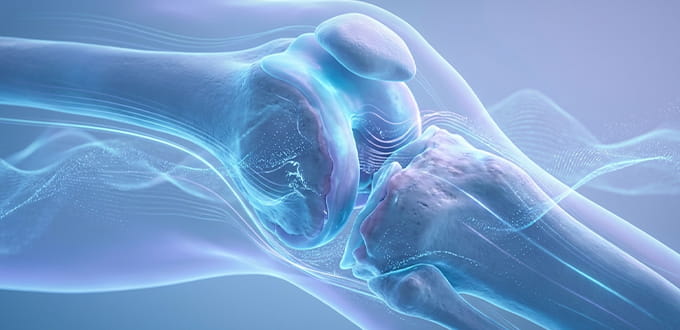
Overview of Arthritis
Arthritis refers to inflammation, swelling, and tenderness in one or more joints. The primary symptoms are joint pain and stiffness, which often worsen with age. There are several types of arthritis, including Gout, Rheumatoid Arthritis, and Osteoarthritis.
What is Osteoarthritis?
Osteoarthritis is one of the most common joint disorders. It is a degenerative condition where the cartilage that cushions the ends of bones gradually wears away. This results in pain and stiffness, particularly in the spine, hips, shoulders, and knees. Osteoarthritis is more common in middle-aged and older adults, but it can occur at a younger age, especially after trauma or injury.
Causes of Osteoarthritis
- Age: Osteoarthritis is more common in older adults but can also affect younger individuals, often due to previous injuries.
- Excess Weight: Carrying extra body weight increases stress on weight-bearing joints like the hips, knees, and spine.
- Sports Injuries: Injuries such as ligament tears, dislocations, or ACL damage can increase the risk of developing osteoarthritis later.
- Genetic Factors: A family history of osteoarthritis increases the likelihood of developing the condition.
- Gender: Women are generally at a higher risk of osteoarthritis than men.
- Occupation-related Strain: Jobs or daily activities that involve repetitive joint use can lead to cartilage wear and joint pain.
- Other Conditions: Joint bleeding from conditions like hemophilia or tissue death due to poor blood supply may also contribute.
Symptoms
Common signs of osteoarthritis include:
- Joint stiffness
- Pain during movement or at rest
- Swelling in the affected joints
- Reduced range of motion
Diagnosis and Evaluation
At VishwaRaj Hospital, specialists evaluate joint tenderness and swelling through a physical examination. Additional diagnostic tools may include:
- X-rays: While cartilage is not visible, X-rays can reveal narrowing joint spaces and bone spurs.
- Magnetic Resonance Imaging (MRI): Provides detailed images of bones and soft tissues, useful in complex cases.
- Synovial Fluid Analysis: Fluid may be drawn from the joint to check for other causes like gout, infection, or inflammation.
Treatment Options
Osteoarthritis cannot be fully reversed, but treatment can alleviate pain and improve mobility.
- Medications: Over-the-counter NSAIDs or topical gels can help reduce pain and inflammation.
- Exercise: Gentle exercises to strengthen muscles, maintain weight, and improve flexibility are beneficial. Yoga, Tai Chi, walking, and swimming can all help, provided they do not overstrain the joints.
- Occupational Therapy: Therapists can suggest ways to perform daily activities with less joint stress, such as using adaptive tools or supports.
- Surgical and Other Procedures: If non-surgical treatments are insufficient, options like cortisone injections, arthroscopic procedures, or joint replacement surgery may be considered.
- Hot and Cold Therapy: Heat helps relax muscles and reduce stiffness, while cold reduces inflammation, swelling, and pain.
- Assistive Devices: Canes or other aids can help relieve pressure on affected joints. Using a cane on the side opposite the painful leg is often recommended.
When to Consult a Doctor
Seek medical attention if:
- Joint pain is sudden and accompanied by fever, which may indicate infectious arthritis.
Persistent stiffness and pain occur after short periods of rest or in the morning, suggesting early arthritis.