
PCOD (Polycystic Ovarian Disease): Causes, Symptoms, Diagnosis, Diet, and Treatment
Overview
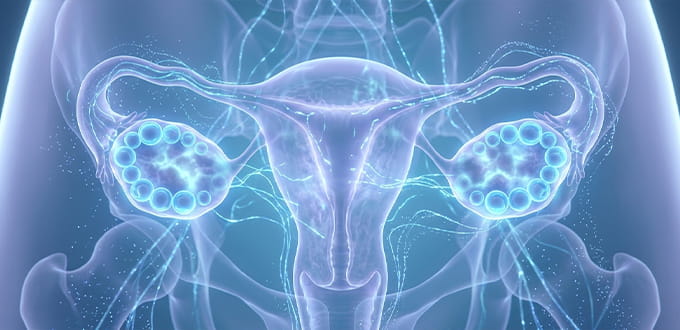
Polycystic Ovarian Disease (PCOD) is one of the most common hormonal disorders in women of reproductive age, typically between 12 and 45 years. It occurs when hormonal imbalances disrupt normal ovulation, causing the ovaries to produce an excess of immature eggs. These eggs may not be released and instead form small fluid-filled sacs called cysts.
PCOD is increasingly common, especially in urban areas, due to lifestyle factors like poor diet, lack of exercise, and stress. In India, studies indicate that 9–22% of women are affected. Although PCOD is not life-threatening, it can impact fertility, metabolism, appearance, and overall health if not managed properly.
Understanding PCOD
Normal Ovarian Function:
The ovaries are responsible for releasing eggs monthly (ovulation) and producing hormones such as estrogen, progesterone, and androgens. These hormones regulate menstrual cycles, support pregnancy, and maintain overall hormonal balance.
What Happens in PCOD:
In PCOD, the ovaries release multiple immature or partially mature eggs. These eggs fail to mature fully and accumulate inside the ovaries, forming cysts. This can increase ovarian size and lead to elevated androgen levels (male hormones), disrupting hormonal balance.
Effects of Hormonal Imbalance:
High androgen levels in PCOD can lead to:
- Irregular or missed periods
- Difficulty conceiving
- Acne and oily skin
- Excess facial and body hair (hirsutism)
- Thinning hair on the scalp
- Weight gain, especially around the abdomen
While PCOD is often considered less severe than PCOS (Polycystic Ovary Syndrome), both conditions share similar symptoms and require management. Untreated PCOD may increase risks for infertility, insulin resistance, type 2 diabetes, obesity, high cholesterol, and cardiovascular disease.
Common Symptoms of PCOD
- Irregular Menstrual Cycles: Missed or delayed periods due to disrupted ovulation.
- Acne and Oily Skin: Elevated androgen levels increase sebum production.
- Excessive Hair Growth (Hirsutism): Hair growth on the face, chest, abdomen, or back.
- Hair Thinning or Hair Loss: Particularly at the scalp, resembling male-pattern baldness.
- Weight Gain: Difficulty losing weight despite diet or exercise.
- Abdominal Bloating or Pelvic Discomfort: Enlarged ovaries can cause mild pain or heaviness.
- Difficulty Conceiving: Irregular ovulation reduces chances of pregnancy without medical intervention.
Diagnosis of PCOD
There is no single test for PCOD; diagnosis is based on a combination of history, physical exam, blood tests, and imaging.
Steps for Diagnosis:
- Medical History: Menstrual patterns, weight changes, acne, hair growth, fertility concerns, and family history of PCOD or diabetes.
- Physical Examination: BMI, signs of excess androgens, and skin changes like darkened patches (acanthosis nigricans).
- Pelvic Examination: Checks for ovarian enlargement and tenderness.
- Blood Tests:
- Hormone levels (LH, FSH, testosterone)
- Prolactin and thyroid function
- Fasting glucose and insulin levels to assess insulin resistance
- Pelvic Ultrasound: Identifies ovarian size, multiple small follicles, and endometrial thickness.
Follow-up: Regular monitoring of symptoms, hormone levels, weight, and metabolic risks is essential for long-term management.
Complications of PCOD
- Infertility: Irregular ovulation reduces the chance of conception; may also cause miscarriages or gestational diabetes.
- Metabolic and Cardiovascular Risks: Increased risk of diabetes, high blood pressure, high cholesterol, and abdominal obesity.
- Mental Health: Higher likelihood of depression, anxiety, and body image issues.
- Other Risks: Fatty liver, sleep apnea, persistent acne, and skin problems.
Early diagnosis and consistent management can significantly reduce these risks.
Treatment for PCOD
PCOD cannot be permanently cured, but it can be managed effectively through lifestyle modifications, medications, and, rarely, surgery.
Multidisciplinary Approach:
- Gynecologist – hormonal balance and menstrual health
- Endocrinologist – insulin resistance and metabolic issues
- Fertility specialist – ovulation treatments
- Dermatologist – skin and hair symptoms
- Dietitian – customized nutrition plan
Lifestyle Changes:
- Weight Management: Even 5–10% weight loss improves hormonal balance and fertility.
- Diet: Low-glycemic index foods, high fiber, lean proteins, and healthy fats; avoid refined carbs, sugary foods, and processed snacks.
- Exercise: At least 150 minutes of moderate-intensity activity weekly plus strength training 2–3 times per week.
Medications:
- Hormonal Birth Control: Regulates periods and reduces androgen levels.
- Progestin Therapy: Prevents endometrial hyperplasia.
- Ovulation-Stimulating Drugs: Clomiphene, Letrozole, Metformin, Gonadotropins.
- Hirsutism Treatment: Oral contraceptives, Spironolactone, or Eflornithine cream.
Surgical Option:
- Laparoscopic Ovarian Drilling (LOD): Minimally invasive surgery to reduce androgen-producing ovarian tissue, used only when medications fail.
Diet Recommendations for PCOD
A PCOD-friendly diet helps regulate blood sugar, manage weight, and support hormonal balance.
Recommended Foods:
- High-Fiber Vegetables: Spinach, kale, broccoli, carrots
- Whole Grains: Oats, quinoa, brown rice, whole wheat
- Lean Proteins and Healthy Fats: Salmon, eggs, chicken, tofu, nuts, seeds
- Legumes: Lentils, chickpeas, kidney beans, moong dal
- Low-Fat Dairy: Low-fat curd, skimmed milk, paneer
Foods to Avoid:
- Sugary foods and drinks
- Refined carbohydrates (white bread, pasta, maida)
- Fried and fast food
- Full-fat dairy (if sensitive)
Exercise for PCOD
Exercise regulates hormones, improves insulin sensitivity, supports weight loss, and enhances mood.
Effective Workouts:
- HIIT: Short intense bursts followed by rest; 20–30 min, 3–4 times/week.
- Cardio: Brisk walking, jogging, swimming; 150 minutes/week.
- Strength Training: Dumbbells, resistance bands, bodyweight exercises; 2–3 times/week.
- Mind-Body Exercises: Yoga and Pilates reduce stress and improve hormonal balance.
Frequently Asked Questions
- Is PCOD treatable?
Yes, PCOD is manageable with lifestyle changes, diet, exercise, and medications to regulate periods, improve fertility, and reduce symptoms. - How does PCOD occur?
PCOD occurs when ovaries produce excess androgens, leading to irregular ovulation and cyst formation. Genetics and insulin resistance are contributing factors. - Can PCOD be controlled naturally?
While not curable, PCOD symptoms can be managed naturally with a healthy diet, regular exercise, weight management, and supplements like omega-3, vitamin D, magnesium, and inositol. - Difference between PCOD and PCOS?
PCOD involves ovarian cysts and mild hormonal imbalance; PCOS is more severe, involving metabolic issues and higher androgen levels. - What is bilateral PCOD?
It refers to cysts present in both ovaries, commonly causing irregular periods, hormonal imbalance, and fertility issues. - Can PCOD cause infertility?
Yes, irregular ovulation can reduce fertility, but treatment and lifestyle changes can improve conception chances. - Diet and exercise tips?
Follow a low-glycemic, high-fiber diet, regular cardio, strength training, and yoga for best results. Avoid refined carbs, sugary foods, and processed snacks.
Can PCOD lead to other health problems?
Yes, it increases risks for diabetes, heart disease, obesity, and endometrial cancer if unmanaged.