
Causes and Symptoms of Rheumatoid Arthritis
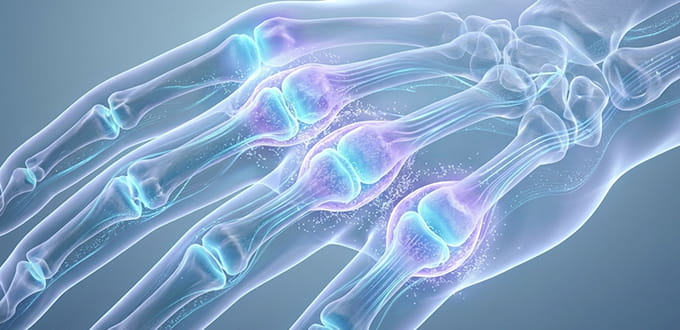
When joints ache, many people assume it’s due to aging, osteoarthritis, or an old injury. However, persistent joint pain can also be caused by rheumatoid arthritis (RA) — a severe, long-lasting form of arthritis that can lead to significant joint damage over time.
What is Rheumatoid Arthritis?
Rheumatoid Arthritis is a chronic autoimmune inflammatory disease in which the immune system mistakenly attacks the tissues lining the joints. This immune response leads to pain, stiffness, swelling, redness, and warmth in the affected joints. Over time, RA can cause the joints to misalign, deform, and sustain permanent damage as the synovium (joint lining) destroys cartilage and bone.
Unlike other forms of arthritis, RA typically occurs symmetrically — if one knee is affected, the other is likely to be affected as well. RA most commonly targets critical joints in the body, including:
- Hands
- Wrists
- Feet
- Elbows
- Knees
- Ankles
Symptoms of Rheumatoid Arthritis
RA is more aggressive than osteoarthritis, which is usually limited to joint wear and can often be managed with pain relievers, exercise, or joint replacement. RA, in contrast, is progressive and can affect joints, tendons, bones, and even vital organs like the heart, lungs, and eyes.
Key symptoms of RA include:
- Persistent swelling in multiple joints
- Joint pain that is worse in the morning and improves with movement
- Formation of lumps (rheumatoid nodules) under the skin
- Persistent fatigue
Less common symptoms may include:
- Fever
- Unexplained weight loss
- Anemia
- Depression
Diagnosis of Rheumatoid Arthritis
At VishwaRaj Hospital, a rheumatologist will evaluate your symptoms and medical history, followed by a physical examination. Blood tests may be conducted to detect the rheumatoid factor, an abnormal antibody that attacks healthy tissue. If detected in 60–70% of cases, there is an 80% likelihood of RA or other inflammatory conditions.
Additional blood tests may include:
- Erythrocyte Sedimentation Rate (ESR)
- Tumor Necrosis Factor-alpha (TNF-α)
- C-reactive Protein (CRP) levels
Imaging techniques such as X-rays, ultrasounds, and MRI scans may also be used to assess joint erosion and confirm the diagnosis. Since no single test can definitively diagnose RA, doctors typically rely on a combination of tests to reach an accurate conclusion.
Stages of Rheumatoid Arthritis
RA often progresses over time, but its course can vary:
- Monocyclic (remissive) progression: Symptoms last 2–5 years and may not return after early diagnosis and treatment.
- Polycyclic (intermittent) progression: Symptoms flare up and subside in cycles, with periods of remission followed by recurring episodes.
Treatment of Rheumatoid Arthritis
Early treatment is essential to slow disease progression and prevent joint damage. Medications cannot reverse existing damage or restore joint strength and dexterity, but they help reduce inflammation and degeneration.
Medications may include:
- NSAIDs (Nonsteroidal Anti-inflammatory Drugs)
- Standard DMARDs (Disease-Modifying Antirheumatic Drugs)
- Biologic DMARDs
- Steroids
Complementary therapies that may support treatment include:
- Splinting
- Weight management
- Occupational and physical therapy
- Heat or cold therapy
- Acupuncture and magnet therapy
- Hydrotherapy
- Yoga and Tai Chi
- Dietary supplements like glucosamine and chondroitin
- Anti-inflammatory diet (e.g., fish oil, olive oil, fruits, and vegetables)
If medications and self-management strategies are insufficient, surgical options may be considered:
- Arthroplasty: Surgical remodeling or replacement of the joint surface
- Arthrodesis (Joint Fusion): Bones fused together when joint replacement is not feasible
- Synovectomy: Removal of the inflamed synovial membrane
- Joint Replacement Surgery: Replacement of severely damaged joints with artificial ones
If you notice symptoms of RA, consult a rheumatologist at VishwaRaj Hospital immediately to receive timely and effective treatment.