Sleep is essential for the body and mind to recover, but for many adults, breathing repeatedly stops or becomes restricted during sleep. This condition is known as sleep apnea. It can affect sleep quality, energy levels, concentration, heart health and overall well-being. If left untreated, sleep apnea may increase the risk of several serious health problems.
At VishwaRaj Hospital, Pune, comprehensive evaluation and appropriate management can help adults identify the condition early and receive suitable treatment.
What Is Sleep Apnea?
Sleep apnea is a sleep disorder in which breathing repeatedly stops or becomes reduced while a person is asleep. These interruptions may last several seconds and can occur many times during the night.
The two major types are:
- Obstructive Sleep Apnea (OSA): The most common type, caused by repeated blockage or narrowing of the upper airway during sleep.
- Central Sleep Apnea (CSA): Occurs when the brain temporarily fails to send the appropriate signals to the muscles responsible for breathing.
Obstructive sleep apnea is particularly common in adults and is often associated with loud snoring and excessive daytime sleepiness.
Symptoms of Sleep Apnea in Adults
Symptoms may occur during the night as well as throughout the day. Common warning signs include:
- Loud or persistent snoring
- Pauses in breathing noticed by a sleeping partner
- Gasping, choking or snorting during sleep
- Frequent nighttime awakenings
- Dry mouth or sore throat in the morning
- Morning headaches
- Excessive daytime sleepiness or fatigue
- Difficulty concentrating or remembering things
- Mood changes, irritability or reduced productivity
- Reduced alertness while driving or working
Not everyone with sleep apnea snores loudly. Therefore, the absence of snoring does not necessarily rule out the condition.
What Causes Sleep Apnea?
Several factors can contribute to sleep apnea. In obstructive sleep apnea, the muscles of the throat relax during sleep, causing the airway to narrow or close.
Risk factors may include:
Excess weight: Increased tissue around the neck can contribute to airway narrowing.
Anatomical factors: A narrow airway, enlarged tonsils, certain jaw structures or other anatomical characteristics may increase the risk.
Age: The likelihood of sleep apnea can increase with age.
Family history: People with a family history of sleep apnea may have a higher risk.
Alcohol and sedatives: These can relax the muscles of the throat and worsen airway obstruction.
Smoking: Smoking may contribute to inflammation and swelling of the airway.
Certain medical conditions: Conditions such as high blood pressure, heart disease and some metabolic disorders may be associated with an increased risk of sleep apnea.
How Is Sleep Apnea Diagnosed?
Diagnosis usually begins with a detailed medical and sleep history. A doctor may ask about snoring, daytime sleepiness, nighttime breathing difficulties and other symptoms. Information from a bed partner can also be valuable.
A sleep study, or polysomnography, is one of the key tests used to diagnose sleep apnea. Depending on the individual’s symptoms and risk factors, testing may be performed in a sleep centre or, in selected cases, through a home sleep test.
The test can monitor parameters such as breathing patterns, oxygen levels, heart rate and other indicators during sleep. The results help doctors determine whether sleep apnea is present and assess its severity.
Treatment Options for Sleep Apnea
Treatment depends on the type and severity of sleep apnea, as well as the individual’s overall health.
Lifestyle Changes
For some people, lifestyle modifications can significantly improve symptoms. These may include:
- Maintaining a healthy weight
- Exercising regularly
- Avoiding alcohol close to bedtime
- Stopping smoking
- Maintaining a regular sleep schedule
- Sleeping in a position that helps keep the airway open
CPAP Therapy
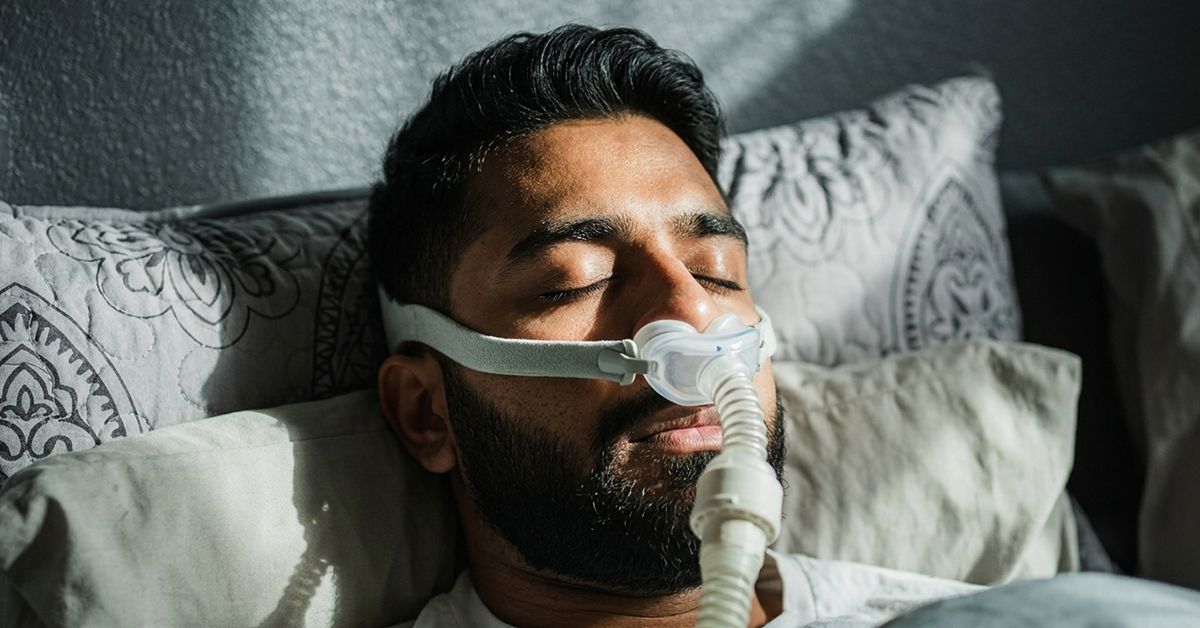
Continuous Positive Airway Pressure (CPAP) is a commonly recommended treatment for moderate to severe obstructive sleep apnea. The device delivers a continuous flow of air through a mask, helping keep the airway open during sleep.
Oral Appliances
Certain patients may benefit from specially designed oral appliances that help reposition the jaw or tongue to maintain airway space. These are generally considered after appropriate medical evaluation.
Surgical Treatment
In selected patients, surgery may be considered when anatomical problems contribute significantly to airway obstruction or when other treatment approaches are unsuitable or ineffective. The appropriate procedure depends on the individual’s condition.
Why Should Sleep Apnea Be Treated?
Untreated sleep apnea can affect more than sleep quality. Repeated breathing interruptions and drops in oxygen levels may place stress on the cardiovascular system and contribute to daytime fatigue and impaired concentration. It has also been associated with conditions such as high blood pressure, cardiovascular disease and metabolic problems.
Excessive daytime sleepiness can also increase the risk of accidents, particularly while driving or operating machinery.
When Should You See a Doctor?
If you regularly snore loudly, wake up gasping or choking, experience unexplained daytime sleepiness, or someone notices pauses in your breathing during sleep, it is important to seek medical advice.
Early evaluation can help identify sleep apnea and guide appropriate treatment. With the right management, many adults experience better sleep, improved daytime alertness and a better quality of life.
Sleep Better, Breathe Better with VishwaRaj Hospital
Sleep apnea is a manageable condition, but recognising the warning signs is the first step. VishwaRaj Hospital, Pune provides comprehensive medical evaluation and care for adults experiencing sleep-related breathing problems.
If you or your loved ones are experiencing persistent snoring, breathing pauses during sleep or excessive daytime fatigue, consult a qualified specialist for evaluation. Better sleep can support better health—don’t ignore the signs of sleep apnea.