Stroke – Symptoms, Causes, and Treatment
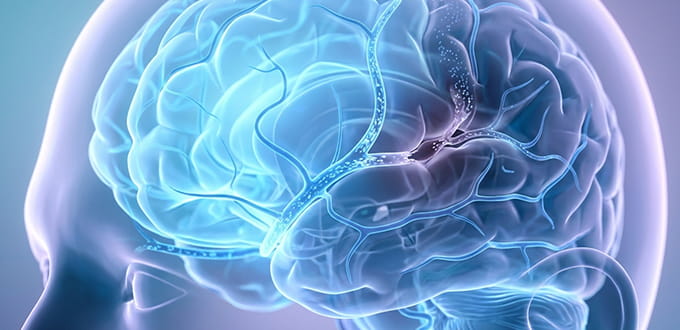
A stroke, also known as a cerebrovascular accident, ranks as the fourth leading cause of death worldwide. It occurs when the blood supply to the brain is interrupted. This can happen either due to a blockage caused by a clot in an artery or from bleeding within the brain tissue. Immediate treatment is critical, as the optimal window for stroke intervention is within three hours. Anyone showing signs of a stroke should reach the hospital within 60 minutes to prevent permanent disability. Recognizing the warning signs of a stroke and acting quickly is essential in this medical emergency.
Warning Signs of Stroke
Some common indicators that a stroke may be occurring include:
- Sudden numbness or weakness, particularly in the face
- Pain in an arm or leg, often on one side of the body
- Sudden confusion or difficulty understanding speech
- Trouble seeing in one or both eyes
- Difficulty walking, dizziness, or loss of balance and coordination
- Sudden or severe headache without a known cause
- Nausea or vomiting
- Unexplained changes in personality, forgetfulness, or impaired judgment
Symptoms of Stroke in Women
Stroke is the third leading cause of death among women, and the symptoms can sometimes be different, making early recognition harder.
Women may experience:
- Fainting or sudden weakness
- Shortness of breath
- Confusion or unresponsiveness
- Sudden behavioral changes, irritability, or hallucinations
- Nausea or vomiting
- Pain, seizures, or persistent hiccups
Preventing Stroke
Preventive measures and healthy lifestyle choices can significantly reduce the risk of stroke:
- Maintain normal blood pressure and blood sugar levels
- Avoid smoking
- Manage heart disease and cholesterol levels
- Maintain a healthy weight
- Stay physically active and exercise regularly
- Eat a balanced, nutritious diet
Recognizing Stroke Early – F.A.S.T.
The F.A.S.T. acronym helps identify early stroke signs:
- Face drooping: One side of the face droops when smiling
- Arm weakness: One arm drifts downward when both are raised
- Speech difficulty: Slurred or unclear speech, trouble repeating simple sentences
- Time: Seek immediate medical attention if any of these signs are present
Many strokes can be treated effectively if recognized early. Prompt medical attention can minimize brain damage and improve recovery.
Treatment and Medical Advice
Never self-medicate, such as taking aspirin, without professional guidance, as it may worsen the condition. The severity and onset of stroke symptoms vary depending on whether it is caused by a clot or bleeding. Large clots can cause symptoms within seconds, while smaller blockages may take minutes, hours, or even days to manifest.
Every second counts in stroke treatment. If you or a loved one shows signs of a stroke, rush to VishwaRaj Hospital for immediate care and expert neurological treatment. Early intervention is key to reducing the risk of long-term disability.