
Thyroid Disorders – Types, Symptoms, and Treatment
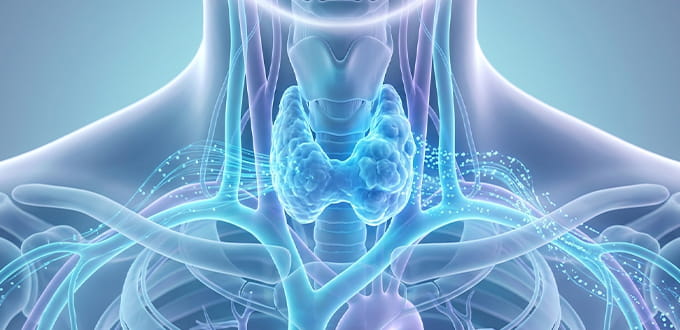
The thyroid is an essential endocrine gland located below the Adam’s apple, at the front of the windpipe. It produces hormones that regulate many metabolic processes in the body.
When thyroid hormones are imbalanced, it can lead to disorders such as:
- Hypothyroidism: Insufficient production of thyroid hormones.
- Hyperthyroidism: Excessive production of thyroid hormones.
Early Warning Signs of Thyroid Problems
Symptoms of thyroid disorders vary depending on whether hormone levels are too high or too low. Women are more likely than men to develop thyroid problems, with approximately 1 in 8 women experiencing thyroid issues at some point in their lives. Age, body type, and hormone levels can influence susceptibility.
Some key signs and symptoms to watch for include:
- Fatigue: Feeling constantly tired or drained is a common indicator. Hyperthyroidism may cause nervousness or restlessness, while hypothyroidism can result in extreme fatigue.
- Weight Changes: Unexpected weight gain may signal hypothyroidism due to slowed metabolism, while rapid weight loss can occur with hyperthyroidism. Consult a doctor if sudden, unexplained changes in weight occur.
- Hair Loss: While some hair shedding is normal, unusual thinning or bald spots may indicate thyroid dysfunction.
- Skin Changes: Dry skin often accompanies hypothyroidism, while excessive oiliness can indicate hyperthyroidism.
- Neck Swelling or Growths: Known as goiters, these indicate thyroid enlargement or nodules. Any abnormal growth in the neck should be evaluated promptly.
- Heart-Related Issues: Low thyroid hormone can slow heart rate, increase blood pressure, and elevate cholesterol. Excess thyroid hormone may cause rapid heart rate, high blood pressure, palpitations, or irregular rhythms like atrial fibrillation.
- Mood Swings: Thyroid imbalances can affect brain function, leading to depression, irritability, or emotional fatigue. Therapy alongside medical treatment may help.
- Irregular Periods: Hypothyroidism may cause heavier periods, while hyperthyroidism can result in lighter or even absent periods.
Even though these symptoms don’t always indicate thyroid problems, it is advisable to seek medical advice if you notice any of them.
Thyroid FAQs
What does the thyroid affect?
The thyroid gland is part of the endocrine system and releases hormones essential for metabolism. These hormones also influence brain development, heart and muscle function, bone density, and blood health. Thyroid function depends on iodine absorption from food. Cells extract iodine from the bloodstream and incorporate it into thyroid hormones.
The thyroid produces two main hormones:
- Thyroxine (T4): The inactive prohormone, produced in larger amounts (~80%).
- Triiodothyronine (T3): The active hormone, produced in smaller amounts (~20%).
Thyroid symptoms develop gradually, making early consultation with a doctor important.
What is the most common cause of hypothyroidism?
The most frequent cause is Hashimoto’s disease, an autoimmune disorder where the immune system attacks the thyroid, causing inflammation and reducing hormone production.
Which foods are recommended for hypothyroidism?
Although diet cannot cure hypothyroidism, certain foods may support thyroid function and alleviate symptoms. Foods rich in goitrogens should be consumed carefully. Recommended foods include:
- Soy products: Tofu and other soy-based foods.
- Vegetables: Cabbage, broccoli, kale, cauliflower, spinach, etc.
- Fruits and starchy plants: Sweet potatoes, cassava, peaches, strawberries, etc.
- Nuts and seeds: Millet, pine nuts, peanuts, etc.
For diagnosis, management, and treatment of thyroid disorders, consult specialists at VishwaRaj Hospital.