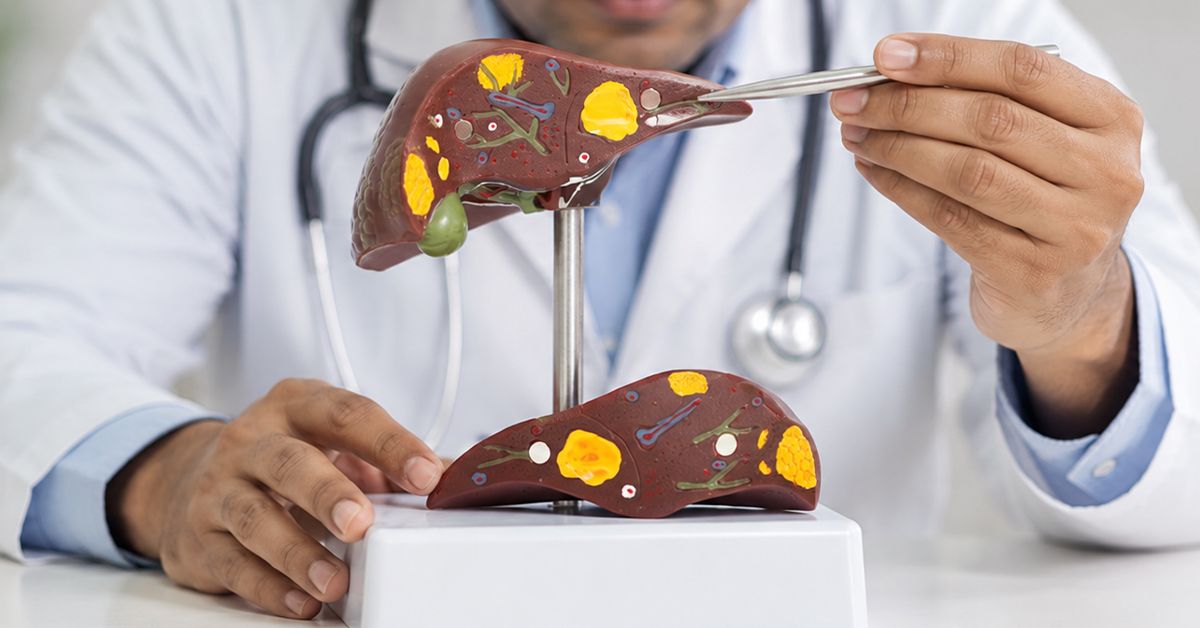
Fatty liver is often associated with middle age, but it can also affect young adults. Changing lifestyles, sedentary routines, excess body weight, high-calorie diets, sugary beverages and metabolic conditions can contribute to fat accumulation in the liver. The condition is frequently silent, meaning a person may have fatty liver without noticeable symptoms.
What Is Fatty Liver?
Fatty liver occurs when excess fat accumulates in the liver. When it is associated with metabolic factors rather than significant alcohol use, it is commonly referred to as metabolic dysfunction-associated steatotic liver disease (MASLD). In some people, liver fat may progress to inflammation and liver injury, which can eventually cause fibrosis or cirrhosis.
What Causes Fatty Liver in Young Adults?
Several lifestyle and health factors can increase the risk:
- Being overweight or having obesity, particularly excess abdominal fat
- Lack of physical activity and prolonged sitting
- High intake of sugary drinks and processed foods
- Diets high in saturated fats and excess calories
- Insulin resistance or type 2 diabetes
- High triglycerides or abnormal cholesterol levels
- Metabolic syndrome
- Excessive alcohol consumption, which can cause a different form of fatty liver disease
- Certain medical conditions, medications and genetic factors
Importantly, fatty liver can also occur in people who are not overweight, so body size alone does not determine risk.
Symptoms You Should Know
Fatty liver is commonly a silent condition, and many people discover it during routine blood tests or an ultrasound performed for another reason.
When symptoms occur, they may include:
- Persistent tiredness or weakness
- Mild discomfort in the upper-right side of the abdomen
- A feeling of fullness or discomfort
- Abnormal liver enzyme levels on blood tests
More concerning symptoms such as yellowing of the eyes or skin, abdominal swelling, unusual bleeding or significant unexplained weight loss require prompt medical evaluation because they can indicate more advanced liver disease.
How Can Young Adults Prevent Fatty Liver?
The good news is that healthy lifestyle changes can make a significant difference.
- Maintain a healthy weight: If you are overweight, gradual and sustainable weight loss can reduce liver fat and may improve inflammation and liver health.
- Choose a balanced diet: Include vegetables, fruits, whole grains, pulses, lean protein and healthier unsaturated fats. Reduce highly processed foods and foods high in saturated fat.
- Limit added sugar: Reduce soft drinks, energy drinks, sweetened tea and other beverages containing large amounts of added sugars.
- Stay physically active: Regular exercise, including aerobic and resistance activities, can help improve metabolic health and reduce liver fat.
- Avoid excessive alcohol: Alcohol can contribute to liver injury and should be discussed with a doctor, particularly if fatty liver has already been diagnosed.
When Should You See a Doctor?
Consider speaking with a doctor if you have persistent fatigue, abdominal discomfort, abnormal liver-function tests, diabetes, high cholesterol or triglycerides, excess abdominal weight, or other metabolic risk factors.
Your doctor may recommend blood tests and imaging such as an ultrasound to evaluate the liver. In selected patients, additional tests may be used to assess liver fibrosis or scarring.
Take Your Liver Health Seriously
Fatty liver in young adults should not simply be dismissed as a temporary lifestyle issue. Early identification gives you an opportunity to address the underlying causes before significant liver damage develops. A balanced diet, regular physical activity, healthy weight management and appropriate medical evaluation can help protect your liver for the long term.
If you are concerned about fatty liver or have abnormal liver-test results, consult a qualified healthcare professional at VishwaRaj Hospital for an appropriate evaluation and personalized advice.