



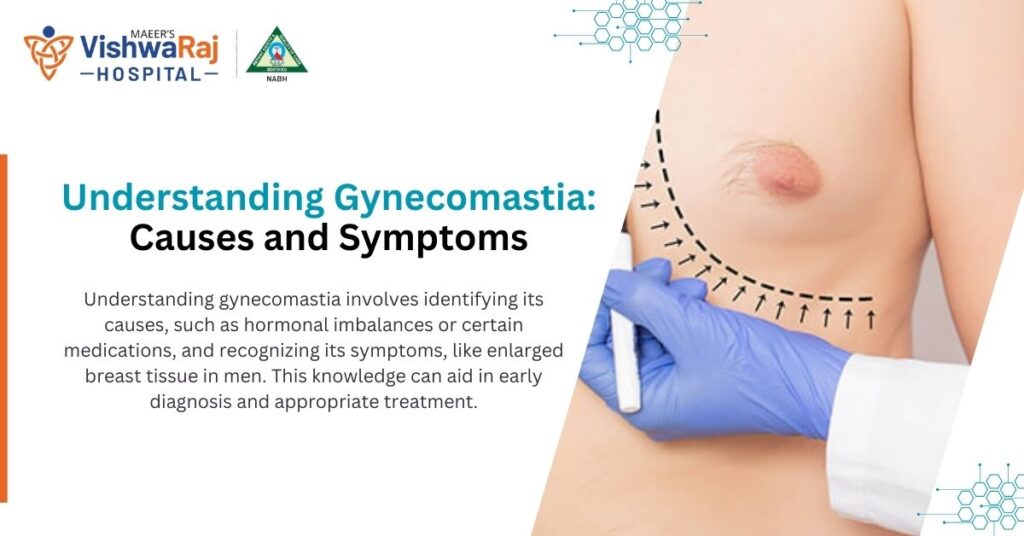
Gynecomastia, the enlargement of breast tissue in males, can be a source of physical discomfort and emotional distress. At MAEER’s VishwaRaj Hospital, recognized as the best multispeciality hospital in Pune, we provide comprehensive care for patients dealing with gynecomastia. Understanding the causes and symptoms of this condition is crucial for seeking timely and effective treatment.
What is Gynecomastia?
Gynecomastia is a condition characterized by the enlargement of male breast tissue. It can affect one or both breasts and may be uneven. This condition is common during infancy, adolescence, and in older men due to natural hormonal changes. However, it can also be caused by various other factors.
Causes of Gynecomastia
Several factors can contribute to the development of gynecomastia, including:
- Hormonal Imbalance: An imbalance between estrogen and testosterone levels is the most common cause. All males produce some estrogen, but higher levels can cause breast tissue to grow.
- Medications: Certain medications can cause gynecomastia, including anti-androgens, anabolic steroids, AIDS medications, anti-anxiety medications, and certain antibiotics.
- Health Conditions: Conditions such as hyperthyroidism, kidney failure, liver disease, and tumors can affect hormone levels and lead to gynecomastia.
- Substance Use: Alcohol, marijuana, heroin, and methamphetamine use can contribute to the development of gynecomastia.
- Herbal Products: Some herbal products, such as tea tree oil and lavender, contain estrogen-like substances that can contribute to gynecomastia.
Symptoms of Gynecomastia
Recognizing the symptoms of gynecomastia is the first step toward seeking appropriate treatment. The primary symptoms include:
- Swollen Breast Tissue: The most noticeable symptom is the enlargement of the breast tissue, which can be felt as a firm or rubbery mass beneath the nipple area.
- Tenderness: The breast tissue may be tender or painful, especially when touched.
- Nipple Discharge: Although rare, some men with gynecomastia may experience discharge from one or both nipples.
- Emotional Distress: The condition can cause significant emotional and psychological distress, leading to feelings of embarrassment or anxiety.
Diagnosis and Treatment
At MAEER’s VishwaRaj Hospital, the best hospital in Pune, our experienced medical professionals use a thorough approach to diagnose gynecomastia. This typically includes a physical examination, a review of medical history, and possibly blood tests or imaging studies to rule out other conditions.
Treatment options for gynecomastia depend on the underlying cause and severity of the condition. These may include:
- Medication: If the condition is caused by hormonal imbalance or medications, adjusting the medication or using hormone therapy can help reduce breast tissue size.
- Surgery: In severe cases, surgical options such as liposuction or mastectomy may be recommended to remove the excess breast tissue.
- Lifestyle Changes: Reducing alcohol consumption, avoiding the use of recreational drugs, and losing weight can also help manage symptoms.
Conclusion
Gynecomastia is a common condition that can cause significant physical and emotional discomfort. Understanding its causes and symptoms is essential for seeking appropriate treatment. At MAEER’s VishwaRaj Hospital, the best multispeciality hospital in Pune, we offer expert care and advanced treatment options for gynecomastia, helping patients achieve better health and improved quality of life.
If you or someone you know is experiencing symptoms of gynecomastia, contact us today to schedule a consultation. Our team of specialists is here to provide compassionate and comprehensive care.