
Seasonal Allergies vs Infection: How to Tell the Difference
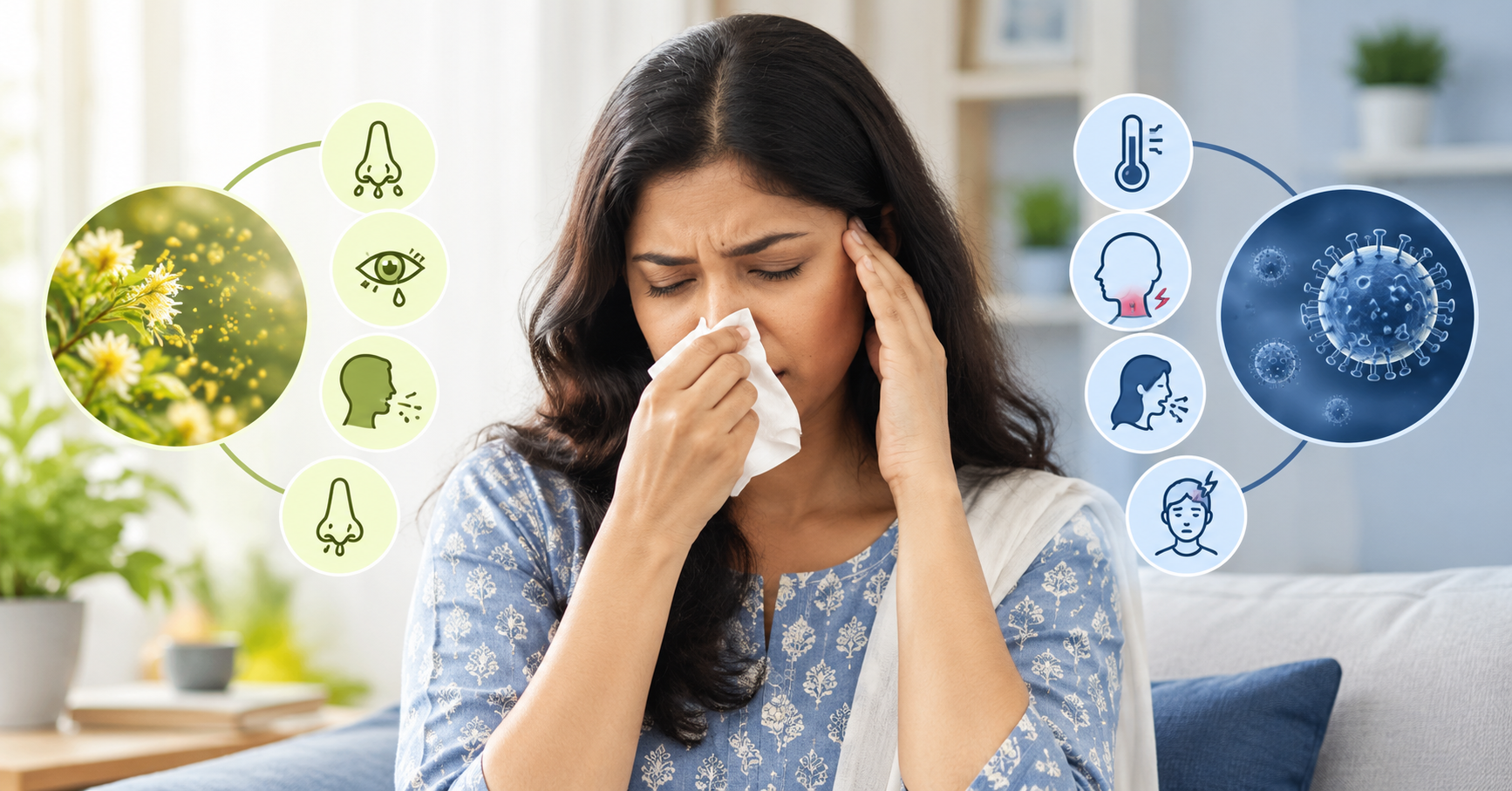
Sneezing, a runny nose, nasal congestion, coughing, and a sore throat are common complaints during seasonal changes. However, these symptoms do not always have the same cause. Sometimes, they develop because of an allergic reaction to pollen, dust, or mould, while in other cases, they may indicate a viral or bacterial infection.
Understanding seasonal allergies vs infection can help you recognise the possible cause of your symptoms, choose appropriate care, and know when to consult a doctor. Although allergies and infections can look similar, certain differences in their symptoms, duration, and associated warning signs can help distinguish between them.
At VishwaRaj Hospital, Loni Kalbhor, Pune, understanding these differences is an important step towards timely evaluation and appropriate treatment.
What Are Seasonal Allergies?
Seasonal allergies occur when the immune system overreacts to substances in the environment, known as allergens. These may include pollen, dust, mould spores, and other airborne particles. When exposed to an allergen, the body releases chemicals such as histamine, which trigger allergy symptoms.
The causes of seasonal allergies can vary depending on the season, environment, and individual sensitivity. Changes in weather, increased exposure to airborne allergens, and environmental pollution may aggravate symptoms in susceptible individuals.
Common allergy symptoms include:
- Repeated sneezing, especially in the morning or after exposure to allergens.
- A clear, watery runny nose.
- Itching in the nose, eyes, or throat.
- Watery, red, or itchy eyes.
- Nasal congestion and postnasal drip.
- A dry cough caused by irritation or mucus dripping down the throat.
Unlike most respiratory infections, seasonal allergies do not usually cause fever or body aches. Symptoms may continue for weeks if exposure to the triggering allergen persists.
People experiencing recurring symptoms may benefit from allergy treatment in Pune after a proper medical evaluation.
What Is a Respiratory Infection?
Respiratory infections occur when viruses or bacteria affect parts of the respiratory system, including the nose, throat, sinuses, or lungs. The common cold, influenza, and certain other respiratory illnesses are examples of infections that can cause symptoms similar to allergies.
Respiratory infection symptoms may vary depending on the type of infection and the part of the respiratory system affected.
Common symptoms include:
- A runny or blocked nose.
- Sore throat or throat irritation.
- Cough, which may be dry or productive.
- Fever or chills.
- Fatigue and body aches.
- Headache and general discomfort.
- Thick nasal discharge in some cases.
Not every infection causes fever, and coloured mucus alone does not confirm a bacterial infection. A doctor may need to assess the duration, severity, and combination of symptoms to determine the likely cause.
If symptoms are persistent, worsening, or interfering with daily activities, seeking cold and cough treatment in Pune can help identify the underlying problem and guide appropriate care.
Seasonal Allergies vs Infection: Key Differences
Recognising the difference between allergies and infection starts with observing how symptoms begin, how long they last, and whether other signs of illness are present.
Seasonal allergies often cause repeated sneezing, a clear and watery runny nose, nasal congestion, and itchy or watery eyes. Symptoms may appear after exposure to pollen, dust, mould, or other environmental allergens. They can persist for weeks if exposure continues. Fever and body aches are not typical of allergies.
Respiratory infections, such as the common cold or influenza, may cause a runny or blocked nose, sore throat, cough, fatigue, and headache. Fever, chills, and body aches may also occur, particularly with certain viral infections. Symptoms often improve over several days, although recovery time varies depending on the infection.
Allergy Symptoms vs Cold Symptoms
One of the most common questions is how to distinguish allergy symptoms vs cold symptoms.
A cold often begins with a sore throat, mild tiredness, sneezing, or a runny nose. Symptoms generally develop over a few days and improve gradually. Some people also experience a mild cough or fever.
Allergies are more likely when sneezing is repetitive, the nose or eyes feel itchy, and symptoms return in particular environments or during certain seasons. For example, symptoms that appear after cleaning a dusty room or spending time outdoors may suggest an allergic trigger.
However, symptoms alone cannot always establish the diagnosis. Allergies and infections can also occur together. A medical consultation can help distinguish allergies from viral infections, sinus problems, asthma, and other conditions.
Allergy Symptoms vs Cold Symptoms
One of the most common questions is how to distinguish allergy symptoms vs cold symptoms.
A cold often begins with a sore throat, mild tiredness, sneezing, or a runny nose. Symptoms generally develop over a few days and improve gradually. Some people also experience a mild cough or fever.
Allergies are more likely when sneezing is repetitive, the nose or eyes feel itchy, and symptoms return in particular environments or during certain seasons. For example, symptoms that appear after cleaning a dusty room or spending time outdoors may suggest an allergic trigger.
However, symptoms alone cannot always establish the diagnosis. A medical consultation can help distinguish allergies from viral infections, sinus problems, asthma, and other conditions.
When Should You Consult a Doctor?
Occasional sneezing or a mild runny nose may improve with simple self-care. However, medical advice is recommended when symptoms persist, recur frequently, worsen, or interfere with sleep and everyday activities.
Consider consulting an allergy specialist in Pune if you experience repeated episodes of sneezing, nasal congestion, itchy eyes, or a runny nose associated with environmental exposure.
An ENT specialist in Pune may be helpful if you have persistent nasal blockage, recurrent sinus symptoms, reduced sense of smell, ear discomfort, or ongoing throat irritation.
Seek prompt medical assessment if you experience a high or persistent fever, worsening cough, chest pain, or symptoms that improve and then return more severely. Difficulty breathing, severe breathlessness, or swelling of the lips or tongue requires emergency medical attention.
Treatment Options for Seasonal Allergies and Infections
Treatment depends on the underlying cause, the severity of symptoms, and your medical history.
Managing Seasonal Allergies
Seasonal allergy treatment in Pune may include avoiding identified triggers, saline nasal rinses, antihistamines, or prescribed nasal corticosteroid sprays. A doctor may recommend allergy testing in selected cases to identify specific allergens. Allergen immunotherapy may also be considered for certain patients with persistent allergic conditions.
Helpful preventive measures include:
- Keeping windows closed when outdoor pollen levels are high.
- Wearing a well-fitting mask when exposed to dust or pollution.
- Washing your face and changing clothes after spending time outdoors.
- Keeping indoor spaces clean and reducing exposure to known allergens.
For people diagnosed with allergic rhinitis, allergic rhinitis treatment in Pune can help control sneezing, nasal congestion, itching, and related symptoms.
Treating Respiratory Infections
Treatment for respiratory infections depends on whether the illness is viral or bacterial. Rest, adequate fluids, and appropriate symptom relief may help manage many uncomplicated viral infections.
Antibiotics are not effective against viruses and should only be used when prescribed for an appropriate indication. Avoid taking antibiotics or combining cold and allergy medicines without medical advice.
If symptoms are severe, persistent, or accompanied by breathing difficulties, a doctor may recommend further evaluation or specific treatment.
Get the Right Care at VishwaRaj Hospital
Knowing whether your symptoms are caused by allergies or an infection can help you take the right next step. Although both conditions may cause sneezing, a runny nose, congestion, and coughing, differences in itching, fever, symptom patterns, and duration can provide useful clues.
If you are experiencing recurring allergy symptoms, persistent nasal congestion, or signs of a respiratory infection, consult a qualified healthcare professional for an accurate assessment and an appropriate treatment plan.
VishwaRaj Hospital, Loni Kalbhor, Pune, offers access to medical evaluation and specialist care to help patients manage respiratory and ENT-related concerns.
Book an Appointment
VishwaRaj Hospital, Loni Kalbhor, Pune–Solapur Road, Pune – 412201
Website: https://vishwarajhospital.com/
Contact: +91 8886606060
More Posts








Send Us A Message
