
Osteoarthritis: Early Warning Signs, Symptoms and Treatment Options
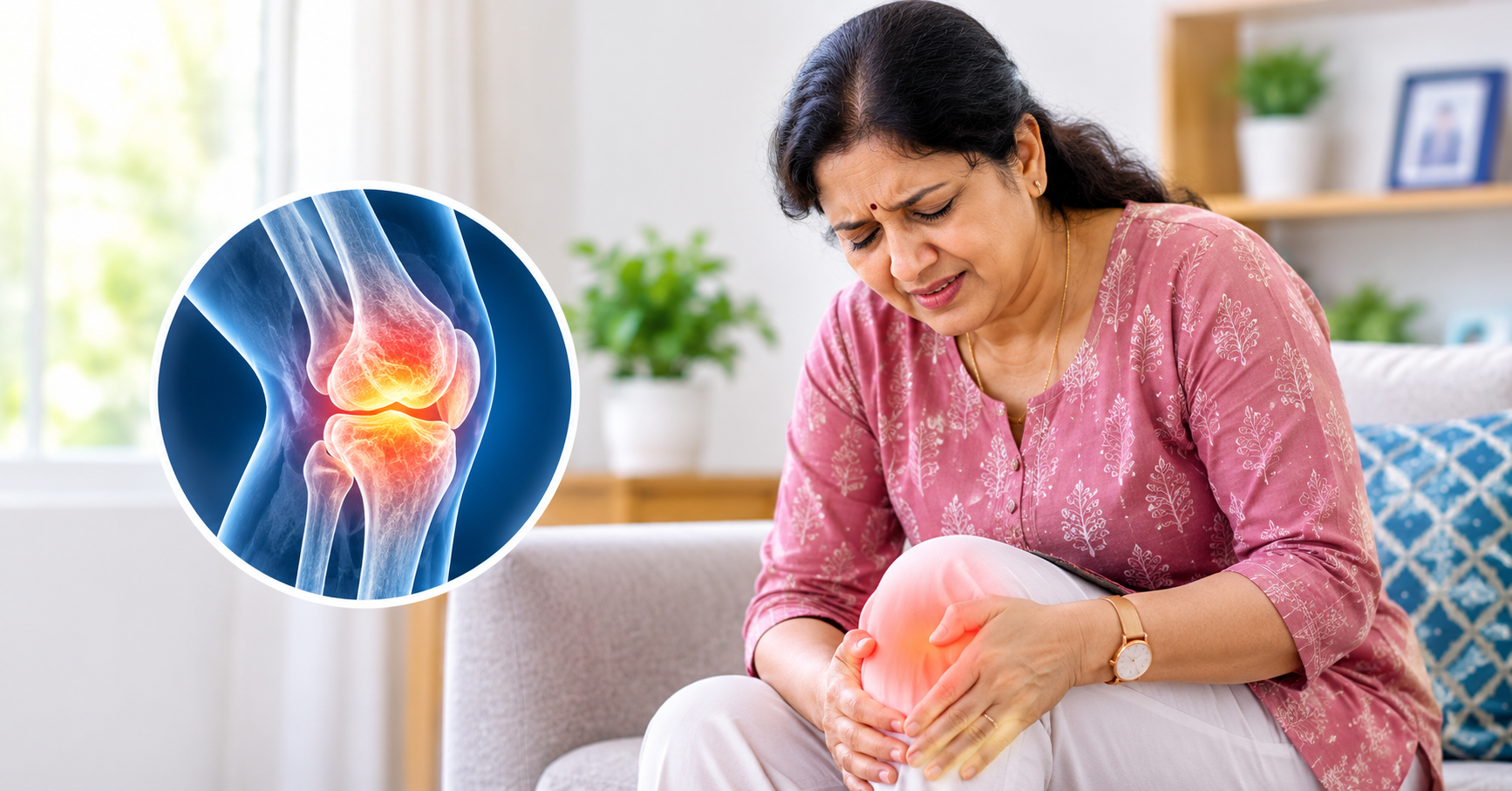
Osteoarthritis is one of the most common joint conditions, affecting millions of people worldwide. It occurs when the protective cartilage that cushions the ends of bones gradually wears down, causing pain, stiffness and difficulty in joint movement. Although it is commonly associated with ageing, osteoarthritis can also affect younger individuals due to joint injuries, obesity, repetitive stress or genetic factors.
Recognising the early warning signs and seeking timely medical attention can help manage discomfort, maintain mobility and improve quality of life. Understanding the available osteoarthritis treatment options is an important step towards protecting your joint health.
What Is Osteoarthritis?
Osteoarthritis is a degenerative joint disease that develops when the cartilage between bones gradually breaks down. As the cartilage becomes thinner, the bones may rub against each other, resulting in inflammation, pain and reduced flexibility.
It commonly affects the knees, hips, hands, spine and other weight-bearing joints. Knee osteoarthritis is particularly common among older adults and individuals who put repeated stress on their joints.
Early diagnosis and appropriate medical care can help slow symptom progression and support better joint function.
Early Warning Signs and Symptoms of Osteoarthritis
Identifying osteoarthritis symptoms at an early stage can help individuals seek medical advice before joint discomfort begins affecting their everyday activities.
Some common warning signs include:
- Joint Pain: Pain in the affected joint is one of the earliest signs. It may become more noticeable during walking, climbing stairs, exercising or performing daily activities.
- Morning Stiffness: You may experience stiffness in your joints after waking up or sitting in one position for a long time. This stiffness generally improves with gentle movement.
- Swelling Around Joints: Inflammation may cause swelling and tenderness around the affected joint, particularly after physical activity.
- Reduced Range of Motion: Gradually, you may find it difficult to bend, straighten or move the affected joint comfortably.
- Clicking or Cracking Sounds: Some people experience clicking, grinding or cracking sounds when moving their joints.
- Joint Tenderness: The affected area may feel sensitive or painful when pressure is applied.
- Difficulty Performing Daily Activities: Activities such as walking, standing for extended periods, climbing stairs or getting up from a chair may become increasingly uncomfortable.
If you experience persistent joint pain or stiffness, consulting an experienced orthopaedic specialist is recommended.
What Causes Osteoarthritis?
Several factors can increase the risk of developing osteoarthritis, including:
- Ageing: The risk increases as joints undergo years of wear and tear.
- Obesity: Excess body weight places additional pressure on weight-bearing joints, especially the knees and hips.
- Previous Joint Injuries: Sports injuries, fractures and ligament damage can increase the risk.
- Genetics: A family history of osteoarthritis may increase susceptibility.
- Repetitive Joint Stress: Certain occupations and activities may place repeated pressure on specific joints.
- Muscle Weakness: Weak muscles around joints can affect stability and increase joint stress.
Understanding these risk factors can help individuals take preventive steps to protect their joint health.
Osteoarthritis Treatment Options
There is no single treatment that works for everyone. The appropriate approach depends on the affected joint, severity of symptoms, age, lifestyle and overall health.
Some commonly recommended osteoarthritis treatment options include:
- Medications: Doctors may recommend appropriate pain-relieving or anti-inflammatory medicines to manage discomfort. These should only be taken under medical guidance.
- Physiotherapy: Guided exercises help strengthen the muscles surrounding affected joints, improve flexibility and support better movement.
- Lifestyle Modifications: Maintaining a healthy weight, following a balanced diet and participating in low-impact activities such as walking or swimming can help reduce joint stress.
- Joint Injections: Depending on the patient’s condition, specialists may consider certain injections to manage symptoms.
- Surgical Treatment: When conservative treatments no longer provide adequate relief and joint damage significantly affects daily activities, surgery may be considered. Joint replacement surgery, particularly knee or hip replacement, can help selected patients regain mobility and improve their quality of life.
An individualised treatment plan is essential for achieving the best possible outcomes.
When Should You Consult an Orthopaedic Doctor?
Do not ignore persistent joint pain, stiffness or swelling. You should consult a specialist if:
- Joint pain frequently interferes with your daily activities.
- You experience stiffness that does not improve.
- Walking or climbing stairs becomes difficult.
- Joint swelling or discomfort continues to increase.
- Pain affects your sleep or limits your mobility.
Consulting an experienced orthopedic doctor in Pune can help identify the underlying cause of joint pain and determine the right course of treatment.
Osteoarthritis Treatment in Pune at VishwaRaj Hospital
At VishwaRaj Hospital, Loni Kalbhor, Pune, we focus on providing comprehensive orthopaedic care for individuals experiencing joint pain, stiffness and mobility-related concerns.
Whether you are looking for an osteoarthritis doctor in Pune, effective joint pain treatment in Pune or specialised arthritis treatment in Pune, timely consultation and an appropriate treatment plan can make a meaningful difference.
Our orthopaedic services focus on evaluating joint conditions, recommending suitable treatment approaches and supporting patients throughout their recovery journey.
If you are searching for the best hospital for osteoarthritis treatment in Pune, VishwaRaj Hospital is committed to providing patient-centred care with a focus on comfort, mobility and improved quality of life.
Take the First Step Towards Healthier Joints
Osteoarthritis does not have to stop you from enjoying an active life. Recognising early symptoms, maintaining a healthy lifestyle and seeking timely medical advice can help you manage the condition effectively.
For expert guidance on osteoarthritis treatment in Pune, consult the orthopaedic specialists at VishwaRaj Hospital.
Book Your Appointment Today!
Location: Near Loni Railway Station, Loni Kalbhor, Pune–Solapur Road, Pune – 412201
Website: https://vishwarajhospital.com/
Contact: +91 88866 06060
More Posts








Send Us A Message
