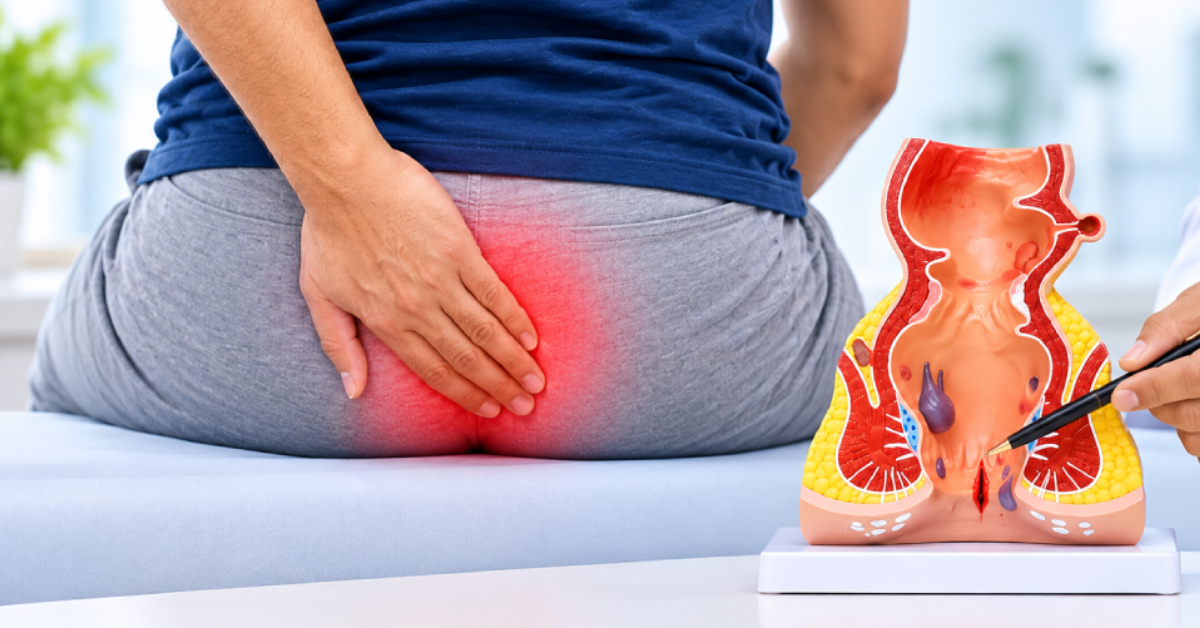
Pain, itching, bleeding, or discomfort while passing stools are common symptoms that many people experience but often hesitate to discuss. Two of the most common causes of these symptoms are piles (hemorrhoids) and anal fissures. Although both conditions affect the anal region and may cause bleeding during bowel movements, they differ in their causes, symptoms, and treatment.
Understanding the difference between piles and fissures can help you seek timely medical attention and avoid unnecessary discomfort. If you are experiencing rectal bleeding or persistent pain, consulting a specialist for piles treatment in Pune can help identify the underlying problem.
What Are Piles (Hemorrhoids)?
Piles, medically known as hemorrhoids, are swollen blood vessels in and around the anus or lower rectum. They may develop due to increased pressure in the lower rectal area, often associated with constipation, prolonged sitting, straining during bowel movements, pregnancy, or a low-fibre diet.
Piles can be internal or external. Internal piles develop inside the rectum and are often painless but may cause bleeding. External piles develop around the anus and can cause itching, swelling, discomfort, or pain, especially when a blood clot forms.
Common Symptoms of Piles
- Bright red blood during or after passing stools
- Itching or irritation around the anus
- Swelling or a lump near the anal opening
- Discomfort while sitting
- Mucus discharge or a feeling of incomplete bowel evacuation
What Is an Anal Fissure?
An anal fissure is a small tear or crack in the lining of the anal canal. It commonly occurs due to passing hard stools, chronic constipation, excessive straining, or repeated irritation of the anal area.
Unlike piles, fissures are often associated with sharp, intense pain during bowel movements. The pain may continue for minutes or even hours after passing stools, making daily activities uncomfortable.
Common Symptoms of an Anal Fissure
- Sharp pain while passing stools
- Burning sensation after bowel movements
- Small amounts of bright red blood on toilet paper
- Spasm or tightness around the anal opening
- Fear of passing stools due to pain
Persistent fissures may become chronic and require medical treatment to promote healing.
How to Recognise the Difference Between Piles and Fissures
Although both piles and fissures can cause bleeding during bowel movements, the nature of the pain is often an important clue.
Piles may cause painless bleeding, itching, swelling, or a lump around the anus. In contrast, an anal fissure typically causes sharp pain during bowel movements, followed by a burning sensation that may last for several hours.
However, symptoms can overlap, and rectal bleeding should never be ignored. A proper clinical examination is necessary to confirm the diagnosis and rule out other conditions.
What Causes Piles and Fissures?
Both conditions are commonly linked to bowel habits and lifestyle factors, including:
- Chronic constipation and hard stools
- Low-fibre diet
- Insufficient water intake
- Excessive straining during bowel movements
- Sitting on the toilet for prolonged periods
- Sedentary lifestyle
- Ignoring the urge to pass stools
Making simple lifestyle changes can significantly reduce the risk of developing these conditions and help improve bowel health.
When Should You Consult a Doctor?
Do not ignore rectal bleeding, persistent anal pain, swelling, or discomfort. Although piles and fissures are common, similar symptoms may occur due to other medical conditions that require evaluation.
Consult a specialist if you experience:
- Repeated bleeding during bowel movements
- Severe pain while passing stools
- Persistent constipation
- A painful lump around the anus
- Symptoms that do not improve with home care
Early diagnosis can help prevent complications and reduce the need for more extensive treatment.
Treatment Options for Piles and Fissures
Treatment depends on the severity and duration of the condition.
For piles, treatment may include dietary modifications, medicines, minimally invasive procedures, or surgical treatment in advanced cases.
For fissures, doctors may recommend stool softeners, fibre-rich diets, warm sitz baths, topical medications, and other treatments to relax the anal muscles and promote healing. Chronic fissures that do not respond to conservative treatment may require a surgical procedure.
If you are searching for piles doctor in Pune, fissure treatment in Pune, piles treatment near Loni Kalbhor, or anal fissure specialist in Pune, seeking professional medical advice can help you understand the most appropriate treatment for your condition.
How to Prevent Piles and Fissures
A few healthy habits can make a big difference in maintaining digestive and bowel health:
- Eat fibre-rich foods such as fruits, vegetables, whole grains, and legumes.
- Drink adequate water throughout the day.
- Avoid straining while passing stools.
- Do not delay bowel movements.
- Stay physically active.
- Avoid sitting on the toilet for unnecessarily long periods.
Get Expert Care at VishwaRaj Hospital, Pune
Piles and fissures are treatable conditions, and there is no need to suffer in silence or feel embarrassed about seeking medical help. Identifying the symptoms early can help you receive appropriate treatment and return to a comfortable, healthy routine.
At VishwaRaj Hospital, Loni Kalbhor, Pune, patients can seek medical evaluation for piles, fissures, constipation, and other anorectal conditions with appropriate guidance and treatment options.
If you are experiencing pain, bleeding, or discomfort during bowel movements, consult a specialist and take the first step towards better digestive health.