
Understanding the Different Types of Arthritis: Symptoms, Causes and Key Differences
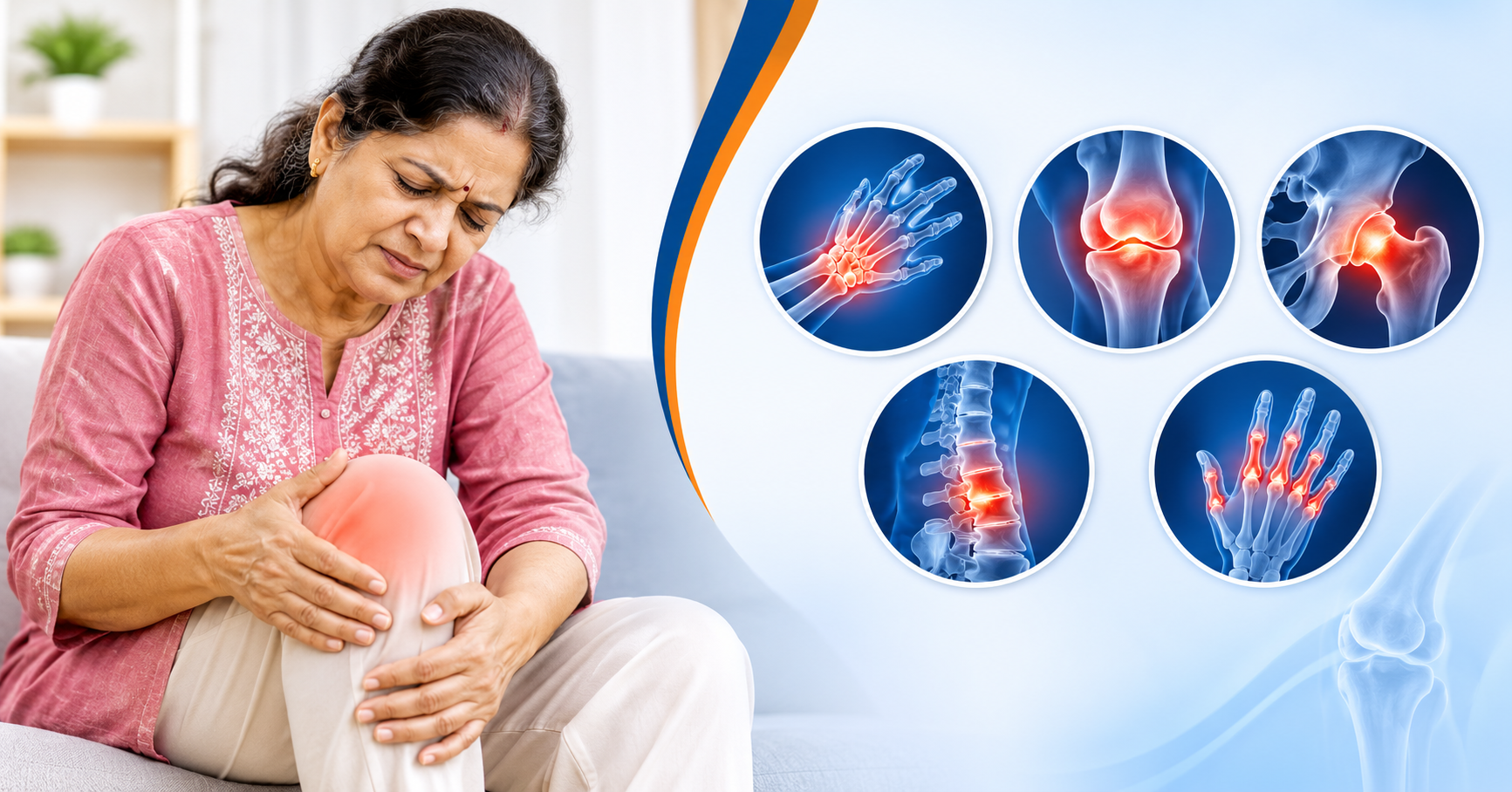
Arthritis is a common health condition that affects millions of people and can cause joint pain, stiffness, swelling and difficulty in movement. It can affect individuals of different age groups, although the risk generally increases with age. Arthritis is not a single disease but a group of conditions that affect the joints in different ways. Understanding the different types of arthritis, their symptoms and causes is important for early diagnosis and effective treatment.
Recognising the early signs of arthritis and consulting an experienced specialist can help manage symptoms, protect joint health and improve overall quality of life. If you are experiencing persistent joint discomfort, seeking timely arthritis treatment in Pune can help prevent the condition from affecting your daily activities.
What Is Arthritis?
Arthritis refers to inflammation or damage affecting one or more joints in the body. It can cause pain, swelling, stiffness and reduced flexibility. Depending on the type, arthritis may develop gradually over several years or appear suddenly.
The condition commonly affects the knees, hips, hands, wrists, shoulders and spine. Some types of arthritis are associated with ageing and joint wear and tear, while others occur due to autoimmune disorders, infections or metabolic conditions.
Early consultation with an orthopedic doctor in Pune can help identify the underlying cause of joint problems and determine the most appropriate treatment approach.
Different Types of Arthritis
There are several types of arthritis, but the following are among the most common.
- Osteoarthritis (OA)
Osteoarthritis is one of the most common types of arthritis. It develops when the protective cartilage covering the ends of bones gradually wears down. As the cartilage becomes thinner, bones may rub against each other, resulting in pain, stiffness and reduced joint movement.
Common symptoms:
- Joint pain that increases with physical activity.
- Stiffness, particularly after waking up or resting.
- Swelling around affected joints.
- Reduced flexibility and range of motion.
- Grinding or clicking sensations during movement.
Causes and risk factors: Ageing, obesity, previous joint injuries, repetitive joint stress and genetic factors can increase the risk of osteoarthritis.
Treatment may include physiotherapy, lifestyle modifications, weight management, medications and, in advanced cases, joint replacement surgery. Consulting a specialist for osteoarthritis treatment in Pune can help manage discomfort and maintain joint function.
- Rheumatoid Arthritis (RA)
Rheumatoid arthritis is an autoimmune condition in which the immune system mistakenly attacks the lining of the joints, causing inflammation. Unlike osteoarthritis, which primarily involves cartilage breakdown, rheumatoid arthritis can affect multiple joints and may also impact other organs.
Symptoms of rheumatoid arthritis include:
- Pain and swelling in multiple joints.
- Morning stiffness lasting longer than 30 minutes.
- Warmth and tenderness around joints.
- Fatigue and general weakness.
- Symmetrical joint pain, particularly in the hands and wrists.
Causes and risk factors: The exact cause is not fully understood. However, genetic susceptibility, hormonal factors, smoking and environmental triggers may contribute to its development.
Early diagnosis is particularly important because untreated inflammation can cause permanent joint damage. Rheumatoid arthritis treatment in Pune may involve disease-modifying antirheumatic drugs (DMARDs), biologic medicines, physiotherapy and regular medical monitoring.
- Gouty Arthritis
Gout is an inflammatory type of arthritis caused by the accumulation of uric acid crystals inside the joints. It commonly affects the big toe but can also involve the ankles, knees, wrists and fingers.
Common symptoms:
- Sudden and intense joint pain.
- Redness and swelling.
- Warmth and tenderness around the affected joint.
- Severe discomfort, sometimes even from light touch.
Causes and risk factors: High uric acid levels, kidney-related problems, certain medications, alcohol consumption and diets rich in purines can increase the risk of gout.
Treatment generally involves medications to control inflammation and lower uric acid levels, along with dietary and lifestyle changes.
- Psoriatic Arthritis
Psoriatic arthritis is an inflammatory joint condition associated with psoriasis, a skin disorder that causes red, scaly patches. It can affect different joints and may develop before or after visible skin symptoms.
Common symptoms:
- Joint pain, swelling and stiffness.
- Swollen fingers or toes.
- Lower back pain.
- Nail changes, including pitting.
- Fatigue and reduced mobility.
The condition is associated with immune system dysfunction and genetic factors. Early medical attention can help control inflammation and reduce the risk of permanent joint damage.
- Ankylosing Spondylitis
Ankylosing spondylitis is a type of inflammatory arthritis that primarily affects the spine and joints connecting the pelvis and lower back. Over time, severe inflammation may cause some spinal bones to fuse.
Common symptoms:
- Persistent lower back and hip pain.
- Morning stiffness.
- Pain that improves with physical activity.
- Reduced spinal flexibility.
- Discomfort that may worsen after prolonged rest.
Treatment usually includes prescribed medications, posture correction, regular exercise and physiotherapy to maintain spinal flexibility.
What Are the Early Signs of Arthritis?
Recognising arthritis symptoms early can help reduce the risk of complications. Some warning signs to watch for include:
- Persistent pain in one or more joints.
- Morning stiffness or stiffness after resting.
- Swelling, redness or warmth around joints.
- Difficulty bending or straightening joints.
- Reduced mobility and flexibility.
- Joint discomfort during routine activities.
If these symptoms persist or interfere with daily activities, consult an arthritis specialist in Pune for proper evaluation and diagnosis.
How Is Arthritis Diagnosed and Treated?
Arthritis diagnosis generally involves a physical examination, medical history assessment and appropriate investigations. Depending on the suspected condition, doctors may recommend X-rays, MRI scans, blood tests or joint fluid analysis.
Treatment depends on the type and severity of arthritis. Common approaches include:
- Medications: Pain relievers, anti-inflammatory medicines and disease-specific medications.
- Physiotherapy: Exercises to improve flexibility, strength and joint movement.
- Lifestyle modifications: Maintaining a healthy weight and following a balanced diet.
- Joint inflammation treatment: Managing inflammation through appropriate medicines and medical supervision.
- Surgical treatment: Joint replacement or other procedures may be considered in selected advanced cases.
- Arthritis pain management: A combination of medication, exercise, rehabilitation and lifestyle changes can help improve comfort and mobility.
Early diagnosis and regular follow-ups play an important role in managing arthritis effectively.
Get Expert Arthritis Care at VishwaRaj Hospital, Pune
Living with arthritis can affect your ability to walk, work and perform everyday activities. However, timely diagnosis, appropriate treatment and consistent medical care can help manage symptoms and improve joint function.
At VishwaRaj Hospital, Pune, patients can seek medical evaluation and guidance for different types of joint and bone conditions. Consulting an experienced orthopaedic specialist can help identify the cause of joint pain and determine suitable treatment options based on individual needs.
If you are experiencing persistent joint pain, stiffness or swelling, do not ignore the symptoms. Explore appropriate joint pain treatment in Pune and take the first step towards better joint health.
Book your consultation at VishwaRaj Hospital today.
More Posts








Send Us A Message
