
Ergonomics at Work: Preventing Neck and Back Pain – A Complete Guide for Office Professionals in Pune
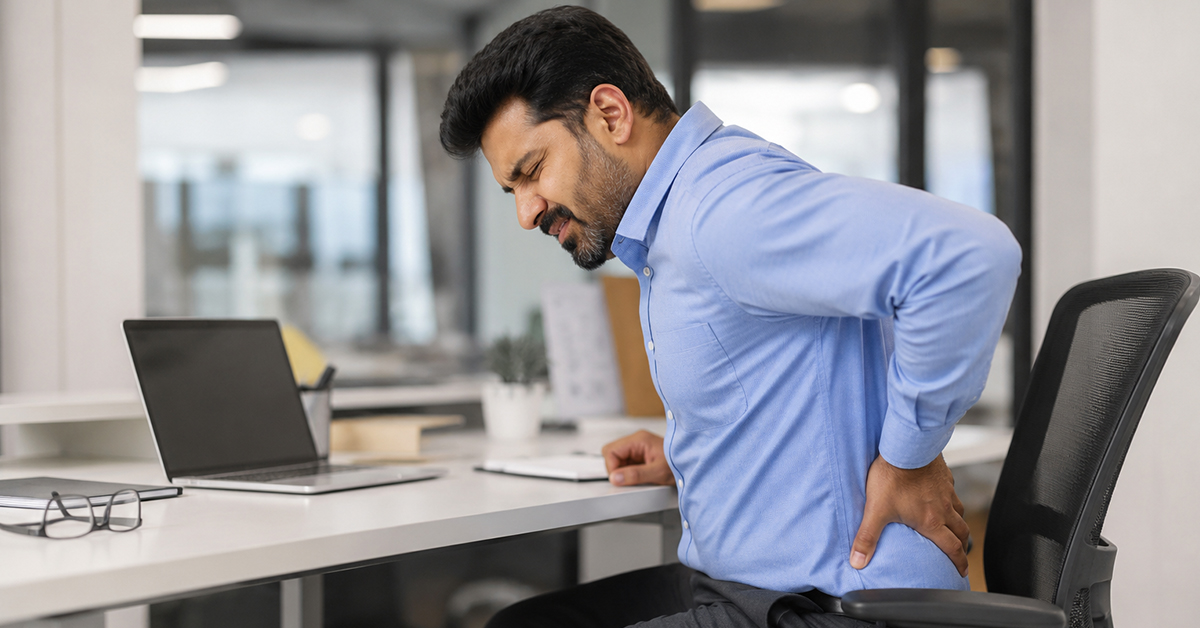
Ergonomics at Work: Preventing Neck and Back Pain
In today’s digital world, the workplace has evolved dramatically. Most professionals now spend several hours each day sitting at a desk, working on computers, attending virtual meetings, or using laptops and mobile devices. While technology has improved productivity, it has also introduced a growing health concern—work-related neck and back pain. Whether you are employed in the IT sector, banking, education, healthcare, finance, or any corporate environment in Pune, maintaining proper workplace ergonomics has become essential for protecting your spine and overall health.
Neck pain and lower back pain are among the most common reasons people seek orthopedic consultation today. In many cases, these conditions develop gradually due to poor posture, prolonged sitting, repetitive movements, and poorly designed workstations. The encouraging news is that these problems are often preventable. By understanding the principles of workplace ergonomics and making a few simple adjustments to your daily routine, you can significantly reduce the risk of chronic pain and improve your comfort, productivity, and long-term well-being.
At VishwaRaj Hospital, Pune, our orthopedic specialists and physiotherapy experts frequently treat patients whose pain is directly linked to unhealthy workplace habits. Through this guide, we aim to help you understand the importance of ergonomics and how small lifestyle changes can make a lasting difference.
Understanding Workplace Ergonomics
Ergonomics is the science of designing a workplace that supports the body’s natural posture and movement. Instead of forcing your body to adapt to uncomfortable working conditions, ergonomics focuses on creating a workstation that minimizes physical strain and promotes healthy movement. A properly designed workspace helps reduce stress on the muscles, joints, ligaments, and spine while improving overall efficiency and reducing fatigue.
When your chair, desk, monitor, keyboard, and mouse are positioned correctly, your body experiences less pressure throughout the workday. This reduces the likelihood of developing musculoskeletal disorders, repetitive strain injuries, and posture-related pain. Good ergonomics is not only about comfort—it is an investment in your long-term health.
Why Are Neck and Back Pain Becoming So Common?
Pune is one of India’s leading IT and corporate hubs, with thousands of professionals spending nearly eight to ten hours every day in front of a computer. Many employees continue working even after office hours, often using laptops on sofas, beds, or dining tables. These habits place excessive stress on the neck, shoulders, and lower back.
Poor posture causes the muscles supporting the spine to work harder than they should. Over time, this leads to muscle fatigue, stiffness, inflammation, and eventually chronic pain. Looking down at a laptop screen for prolonged periods increases pressure on the cervical spine, while slouching places excessive strain on the lumbar region. Even individuals who exercise regularly may develop spinal discomfort if they ignore workplace ergonomics.
Another contributing factor is the lack of regular movement. Sitting continuously for long hours reduces blood circulation, weakens core muscles, and increases pressure on the spinal discs. This combination often results in persistent neck stiffness, lower back pain, headaches, shoulder discomfort, and reduced mobility.
Common Signs That Your Workstation Needs Improvement
Many people ignore the early warning signs of poor ergonomics until the discomfort becomes severe. However, recognizing these symptoms early allows timely intervention and helps prevent long-term complications.
You may need to improve your workstation if you frequently experience neck stiffness after work, pain between the shoulder blades, lower back discomfort while sitting, headaches originating from the neck, tingling or numbness in the hands, wrist pain during typing, shoulder tightness, or difficulty maintaining an upright posture. These symptoms may appear mild initially but often worsen if left untreated.
How Proper Ergonomics Protects Your Spine
The spine is designed to maintain natural curves that evenly distribute body weight and absorb mechanical stress. Poor sitting posture disrupts these natural curves, forcing muscles and ligaments to compensate for the imbalance. Over time, this leads to muscle strain, joint stress, and excessive pressure on the intervertebral discs.
A properly adjusted workstation supports the body’s natural alignment. Keeping the monitor at eye level prevents forward head posture, while maintaining lumbar support helps preserve the natural curve of the lower back. Positioning the keyboard and mouse correctly reduces strain on the shoulders, elbows, and wrists. Together, these adjustments significantly decrease the risk of neck pain, lower back pain, and repetitive strain injuries.
Simple Ergonomic Practices That Make a Big Difference
Creating an ergonomic workspace does not necessarily require expensive equipment. Small adjustments often have a significant impact on spinal health. Your chair should provide adequate lumbar support, allowing your feet to rest flat on the floor while keeping your knees at approximately a 90-degree angle. The monitor should be positioned directly in front of you with the top of the screen at eye level to prevent excessive neck bending.
When typing, your elbows should remain close to your body, and your wrists should stay in a neutral position. Avoid reaching forward repeatedly, as this increases strain on the shoulders and upper back. If you primarily work on a laptop, using a laptop stand with an external keyboard and mouse can greatly improve posture.
Equally important is the habit of taking regular movement breaks. Standing, stretching, or walking for just two to five minutes every hour improves blood circulation, reduces muscle fatigue, and relieves pressure on the spine. Even simple neck rotations, shoulder rolls, and gentle back stretches performed throughout the day can significantly reduce stiffness.
The Importance of Exercise Alongside Ergonomics
Although an ergonomic workstation reduces physical strain, it cannot replace regular physical activity. Strong core muscles provide essential support to the spine, helping maintain proper posture throughout the day. Activities such as brisk walking, yoga, swimming, cycling, and guided physiotherapy exercises improve flexibility, strengthen supporting muscles, and reduce the risk of recurring neck and back pain.
Maintaining a healthy body weight also reduces stress on the spine and lower limb joints. Drinking adequate water, consuming a balanced diet, and getting sufficient sleep contribute to healthier muscles, joints, and spinal discs. Ergonomics and an active lifestyle work together to create lasting spinal health.
When Should You Consult an Orthopedic Specialist?
While occasional muscle stiffness may improve with rest and posture correction, persistent pain should never be ignored. If neck or back pain lasts for more than a week, repeatedly interferes with work, or begins radiating to the arms or legs, professional evaluation becomes essential.
Warning signs such as numbness, tingling, muscle weakness, difficulty walking, loss of balance, or severe pain following an injury require immediate medical attention. Early diagnosis allows timely treatment and helps prevent chronic spinal conditions that may eventually require more advanced intervention.
Expert Orthopedic and Spine Care at MAEER’S VishwaRaj Hospital, Pune
At VishwaRaj Hospital, we understand that every patient experiences pain differently. Our orthopedic specialists, spine experts, and physiotherapists provide comprehensive evaluation and personalized treatment plans based on the underlying cause of your symptoms.
Our hospital offers advanced diagnostic services, including digital X-rays, MRI, and detailed orthopedic assessments to accurately identify the source of pain. Depending on the diagnosis, treatment may include medications, physiotherapy, posture correction, exercise therapy, ergonomic counselling, pain management procedures, or surgical intervention when necessary. Our multidisciplinary approach focuses not only on relieving pain but also on preventing recurrence through education and rehabilitation.
Whether your symptoms are related to office work, prolonged computer use, sports injuries, or age-related spinal conditions, our experienced healthcare professionals are committed to helping you regain mobility, improve posture, and return to your daily activities with confidence.
Workplace ergonomics is no longer a luxury—it is an essential part of maintaining long-term spinal health. As modern work environments continue to demand prolonged sitting and extensive screen time, adopting ergonomic practices has become one of the most effective ways to prevent neck pain, back pain, and other musculoskeletal disorders.
Simple changes such as improving your sitting posture, adjusting your workstation, taking regular movement breaks, and staying physically active can significantly reduce your risk of chronic pain. However, if discomfort persists despite these measures, seeking timely medical advice is the best way to prevent long-term complications.
At VishwaRaj Hospital, Pune, our dedicated team of orthopedic specialists and physiotherapists is committed to providing comprehensive spine care, advanced treatment, and preventive guidance tailored to your individual needs. If you are experiencing persistent neck or back pain, schedule a consultation with our experts today and take the first step toward a healthier, pain-free future.
More Posts








Send Us A Message
