High Blood Pressure Without Symptoms Why Is It Dangerous
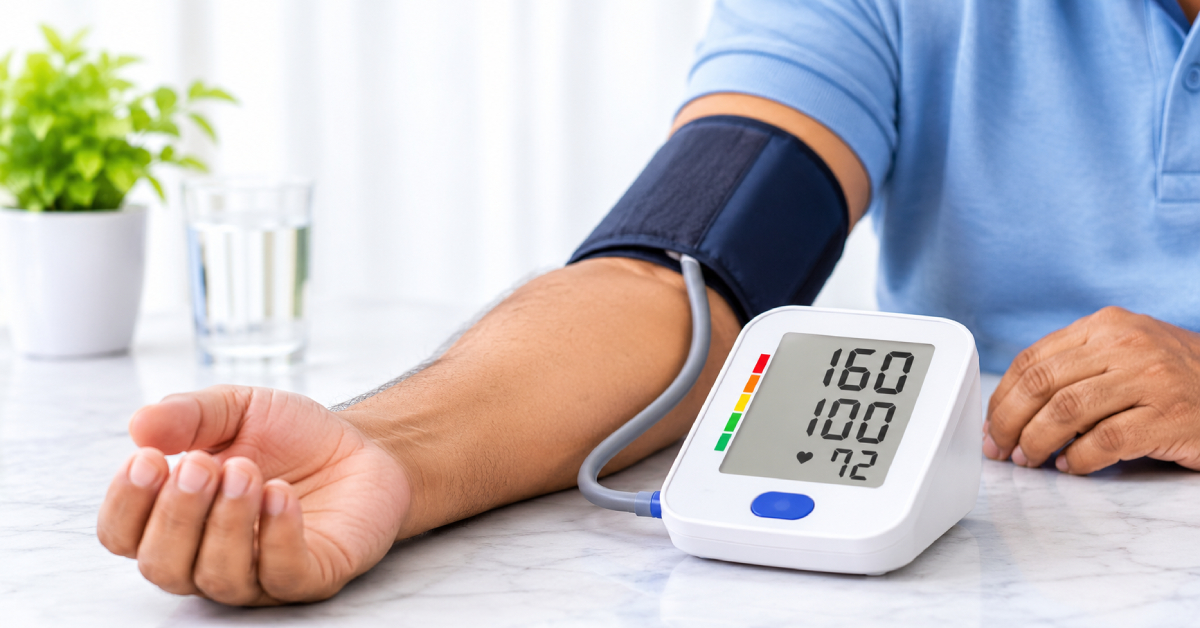
High blood pressure, also known as hypertension, is one of the most common health conditions affecting adults today. The biggest concern is that many people with high blood pressure experience no noticeable symptoms, even when their blood pressure levels are dangerously elevated. This is why hypertension is often called the silent killer.
In a busy lifestyle, especially among working professionals and adults in Pune, stress, lack of physical activity, unhealthy eating habits, poor sleep, and excessive salt consumption can increase the risk of developing high blood pressure. Unfortunately, many people discover they have hypertension only after a routine health check-up or when complications involving the heart, brain, or kidneys begin to develop.
Understanding why high blood pressure is dangerous, recognising its risk factors, and getting regular blood pressure checks can help prevent serious health complications.
What Is High Blood Pressure?
Blood pressure is the force exerted by circulating blood against the walls of your arteries. When this pressure remains consistently elevated, it places additional strain on your heart and blood vessels.
Blood pressure is measured using two numbers:
- Systolic blood pressure: The pressure when your heart contracts and pumps blood.
- Diastolic blood pressure: The pressure when your heart relaxes between beats.
A blood pressure reading around 120/80 mmHg is generally considered optimal for most adults. Consistently higher readings may indicate hypertension and should be evaluated by a doctor.
High blood pressure can develop gradually over several years, making regular monitoring important even when you feel perfectly healthy.
Why Is High Blood Pressure Dangerous Without Symptoms?
Hypertension does not always cause headaches, dizziness, fatigue, or chest discomfort. You may feel completely normal while elevated blood pressure silently damages your vital organs.
- Increases the Risk of Heart Attack and Heart Disease
When your heart continuously pumps against high pressure, its workload increases. Over time, the heart muscle may become thickened and less efficient.
Uncontrolled hypertension can increase the risk of:
- Heart attack
- Heart failure
- Coronary artery disease
- Enlargement of the heart
Regular heart health check-ups can help identify cardiovascular risks before serious complications occur.
- Can Lead to Stroke
High blood pressure is one of the major risk factors for stroke. Excessive pressure can damage blood vessels supplying the brain, increasing the possibility of blockage or bleeding.
Sudden weakness on one side of the body, facial drooping, difficulty speaking, loss of balance, or sudden vision changes may indicate a stroke. These symptoms require immediate emergency medical attention.
- Damages the Kidneys
Your kidneys contain delicate blood vessels that help filter waste and excess fluids from your body. Persistent hypertension can damage these vessels, reducing kidney function.
Over time, uncontrolled blood pressure may contribute to chronic kidney disease and, in severe cases, kidney failure.
- Affects Vision
High blood pressure can damage the small blood vessels in your eyes, a condition known as hypertensive retinopathy. If left untreated, it may cause blurred vision and potentially serious vision problems.
- Increases the Risk of Memory and Cognitive Problems
Long-term uncontrolled hypertension may affect blood flow to the brain and contribute to cognitive decline, memory problems, and vascular dementia as people age.
Who Is at Risk of High Blood Pressure?
High blood pressure can affect people of different ages, including young adults. You may have a higher risk if you:
- Have a family history of hypertension or heart disease
- Consume too much salt or processed food
- Have diabetes or high cholesterol
- Are overweight or obese
- Have a sedentary lifestyle or sit for long hours
- Experience chronic stress or inadequate sleep
- Smoke or consume alcohol regularly
- Have kidney-related health conditions
Even if you are below 40 years of age, regular blood pressure monitoring is important, especially if you have multiple risk factors.
How Can You Prevent and Control High Blood Pressure?
Preventing hypertension begins with small but consistent lifestyle changes. If you want to control high blood pressure and improve your heart health, the following habits can help:
- Reduce salt intake: Avoid excessive salt, packaged snacks, pickles, papads, and processed foods.
- Exercise regularly: Aim for at least 150 minutes of moderate physical activity every week, depending on your health condition.
- Maintain a healthy weight: Weight management can help reduce strain on your heart.
- Eat a heart-healthy diet: Include fruits, vegetables, whole grains, legumes, and fibre-rich foods.
- Manage stress: Practice meditation, yoga, breathing exercises, and maintain a healthy work-life balance.
- Avoid tobacco: Smoking increases cardiovascular risk and damages blood vessels.
- Monitor blood pressure: Check your blood pressure periodically, even when you feel healthy.
- Take prescribed medicines regularly: Never stop blood pressure medicines without consulting your doctor.
Lifestyle modifications can make a significant difference, but some patients may require long-term medication to keep their blood pressure under control.
When Should You Consult a Cardiologist?
If repeated blood pressure readings are higher than normal, do not ignore them. Consult a cardiologist or physician for proper evaluation, especially if you have diabetes, kidney disease, obesity, a family history of heart disease, or a history of stroke.
If your blood pressure reading is around 180/120 mmHg or higher, repeat it after at least one minute. If it remains very high and you experience chest pain, breathlessness, weakness, confusion, or vision changes, seek emergency medical attention immediately.
Regular blood pressure monitoring and early medical intervention can help prevent life-threatening complications.
High Blood Pressure Treatment in Pune at VishwaRaj Hospital
At VishwaRaj Hospital, Pune, comprehensive cardiac care focuses on early detection, diagnosis, prevention, and management of heart-related conditions, including hypertension.
Whether you are experiencing symptoms or simply want to understand your heart health better, regular screening and timely medical consultation can help you take control of your health.
Don’t wait for symptoms to appear. A simple blood pressure check today can help protect your heart, brain, and kidneys tomorrow.
Visit VishwaRaj Hospital, Loni Kalbhor, Pune, for expert cardiac consultation and comprehensive heart care.
Location: Near Loni Railway Station, Loni Kalbhor, Pune–Solapur Road, Pune
Contact: 88866 06060
More Posts







Send Us A Message
